
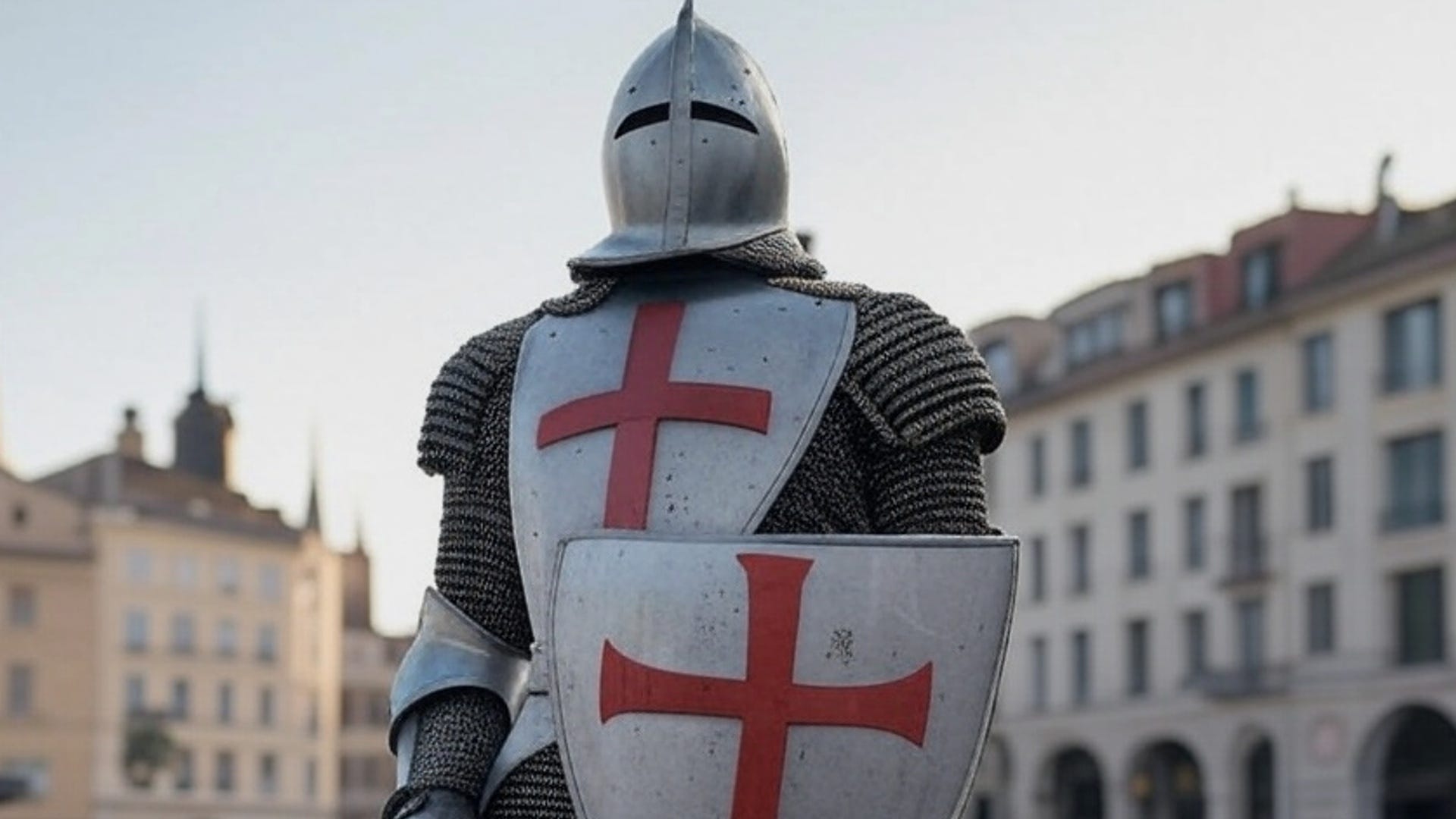
Europe stands at a crossroads, its legacy teetering between resurgence and ruin. Centuries ago, its nations forged a global dominion, projecting power across continents with an ambition that shaped the modern world. That era of colonization—spanning Britain’s vast reach to France’s intricate networks—was a monumental endeavor, a fact of history that, if guided by visionary leaders with a long-term perspective, could have uplifted both colonizers and colonized in a cooperative ascent. Instead, shortsighted greed and mismanagement sowed vulnerabilities, leading to a retreat that has now spiraled into a manufactured crisis threatening all. Today, Europe faces an invasion—not a natural migration, but a deliberate influx from formerly colonized lands, orchestrated by a cadre of corrupt, anti-national leaders who have abandoned their people. This is no mere shift; it is a betrayal, a chaotic mess that benefits no one and promises only escalation.
The evidence is stark: millions pour across borders annually, swelling populations to unsustainable levels, draining resources, and eroding the fabric of European identity. Leaders like Britain’s Keir Starmer, Germany’s Olaf Scholz, France’s Emmanuel Macron, and the EU’s Ursula von der Leyen oversee this disaster, their policies funded by the sweat of native taxpayers and spiraling national debts. Their actions defy the will of their citizens, who clamor for control, yet find their voices drowned by an entrenched elite and an imported electorate. Voting has proven impotent—electoral strongholds and bureaucratic sabotage thwart any peaceful reversal. The hour demands force, a resolute purge of these traitors—royalty, leaders, and their supporters—to halt the invasion and restore Europe’s sovereignty.
This essay commands a path forward: an open-source, decentralized plan to reclaim each nation, executed by its own people with unyielding determination. A swift, brutal cleansing to expel invaders and set the stage for a multi-generational vision. Colonization once held the promise of mutual progress; its retreat need not have birthed this chaos. The current crisis is a failure of leadership, a manufactured wound that festers for all—native and newcomer alike. We will not debate; we will act. This plan, forged in public forums, will brook no censorship, no retreat. It begins now, with every European nation seizing its destiny, united in purpose, ready to rise again.
Part I: Roots of Crisis—Overexpansion and Collapse
Europe’s colonial era was a defining chapter, a sprawling enterprise that stretched its nations beyond their shores to govern vast swathes of the globe. By 1914, Britain commanded 35 million square kilometers, France 11 million, and smaller powers like Portugal and Belgium carved out their own domains, collectively spanning 85% of the Earth’s landmass. This expansion was a fact of history, driven by the need for resources—cotton from India, rubber from the Congo—and the strategic imperative to outpace rivals. Maritime technology and military innovation enabled it, projecting power with a lean force of 1 million troops over 458 million subjects. Properly led, with foresight and equity, this could have been a partnership, enriching both Europe and its colonies through shared advancement.
Yet, the endeavor faltered under its own weight. The scale was staggering but brittle—resources flowed one way, enriching Europe while leaving colonies dependent, a shortsighted flaw that bred resentment. Internal warnings surfaced—economists cautioned of overtaxed treasuries, and rebellions like India’s 1857 uprising signaled unrest—but leaders, intoxicated by immediate gains, pressed on. They saw no horizon where the colonized might return, their dominion unchallenged by such a reversal. The structure held until the cataclysm of World War II shattered it. The war’s devastation—massive losses in blood and gold—left Europe unable to sustain its overseas grip. Britain’s economy buckled, France’s infrastructure crumbled, and smaller nations fell to occupation, their colonial armies reduced to shadows.
The retreat unfolded with ruthless speed. India’s independence in 1947 sparked a cascade—Africa and Asia broke free within decades, leaving Europe’s empires as relics by 1975. This was no orderly withdrawal; it was a collapse, driven by exhaustion and the rise of new powers who demanded self-rule for their own ends. Colonization’s potential—a unified progress under enlightened stewardship—was squandered by leaders who lacked the vision to see beyond plunder. The vacuum left behind opened the gates to today’s crisis, a manufactured invasion not of Europe’s making but of its undoing. Had colonization been wielded with strategic care, its legacy might have been strength, not this chaos—a mess that now imperils all, native and invader alike, in a Europe unprepared for the tide.
Part II: Current Betrayal—The Traitors Within
Europe today is a battleground of betrayal, its leaders the architects of a manufactured crisis that threatens to engulf all in disorder. The invasion is relentless: projections show 18% of Europe’s population foreign-born by 2030—90 million souls—many from lands once under colonial sway: India, Nigeria, Morocco. The UK reels under 685,000 net arrivals yearly, while 4.8 million flood the EU, a tide of legal visa holders and illegal border-crossers alike. This is no organic shift—it is a deliberate policy, funded by native toil through billions in taxes and mounting debts, a chaotic drain that serves no one, least of all the invaders trapped in a system that promises little beyond subsistence.
The culprits stand exposed: Keir Starmer, Olaf Scholz, Emmanuel Macron, Ursula von der Leyen—leaders born in the 1960s and 1970s, molded by educators of the postwar era who preached guilt over pride, unity over sovereignty. Their elite training—at institutions like Oxford and Sciences Po—instilled a dogma that rejects national loyalty for a hollow globalism, a legacy of their mentors’ reaction to war’s horrors. They wield power with ruthless efficiency, commanding 50–55% electoral blocs—40–45% native collaborators fused with 5–10% naturalized invaders—locking out dissent. The far-right, capped at 20–25%, cannot breach this wall, their efforts drowned by split votes and the growing influence of invaders in governance—15% of UK parliamentarians, 20% of urban officials like London’s Sadiq Khan.
These traitors orchestrate ruin. Welfare systems bleed—£4 billion in the UK, £23 billion in Germany—propping up 5–10 million invaders who cling to benefits, while native industries falter under the weight of this influx. Their sabotage is preemptive: courts, NGOs, and bureaucrats stand ready to block any resistance, ensuring the invasion deepens. This is not mismanagement—it is treason, a calculated surrender of Europe’s heritage to appease a past that colonization could have redeemed with proper stewardship. The crisis harms all—natives lose their birthright, invaders gain only chaos—yet these leaders persist, blind to the disaster they forge, deaf to the 55% of their people who demand an end. Their betrayal is the fulcrum; their removal is the solution.
Part III: Operational Reclamation—The People’s War
Europe will not kneel—its people will rise, and force will reclaim what treachery has stolen. This is Phase One: a decentralized, open-source war to purge royalty, leaders, and their supporters, expel the invaders, and restore each nation to its rightful heirs. No single command dictates; each country’s countrymen—1,000–5,000 operators strong—will execute their own purge, leveraging intimate knowledge of their traitors, terrain, and populace. This is a war of the people, unrelenting and absolute, forged in public discourse and ignited by 2028. Below, the operational blueprint unfolds in sub-parts, interweaving crucial aspects for clarity and resolve.
Sub-Part A: Pre-Operational Mobilization (2025–2028)
The battle begins in the open, a clarion call across digital and physical realms. Europe’s operators—drawn from far-right cadres and seasoned veterans—marshal their resolve, numbering 1,000–5,000 per nation. In Britain, Reform radicals sharpen their blades; in Germany, AfD militants plot their moves; in France, RN firebrands ready their strike. Public platforms become the forge—threads under “#EuropeFirst” amass millions of views, birthing hundreds of plans: “Britain targets its crown,” “Germany cleanses its capital.” These evolve through consensus, refined by the collective will of the people into a unified directive.
The invaders—millions from ex-colonies—receive their warning: “Leave now or face the reckoning.” Public meetings amplify this edict, echoing through town squares and online forums, a stark ultimatum to the 5–10 million who have infiltrated Europe’s borders. Operators secure resources—£50–100 million flows through encrypted channels, a war chest built by patriots across continents. America’s voice thunders in support, its unfettered speech rallying millions to the cause, circumventing Europe’s stifling censorship to fuel the momentum. This is no secret cabal; it is a public uprising, its transparency a shield against the traitors’ laws.
Sub-Part B: Operational Strike and Ascension (2028)
The spark ignites in 2028, fueled by chaos—economic strain or mass unrest tips the scales. The people’s will, crystallized through social media’s millions, decrees the hour—“Now” resounds with overwhelming assent. Each nation strikes with surgical precision:
In Britain, 1,000 operators descend on London, felling Starmer and Charles III with lethal intent, their bodies a grim banner over Westminster.
In Germany, 1,500 warriors obliterate Scholz, his demise marked by a public display at the Reichstag.
In France, 1,200 storm Macron’s stronghold, leaving no trace of his rule in Paris.
Ascension follows—operators, bloodied and victorious, convene in the shadow of their triumph. Votes are swift, ruthless: Britain crowns a Reform veteran, Germany an AfD ex-soldier, France an RN stalwart—each commanding near-unanimous assent. Regional and local leaders—50–100 and 5,000 strong—rise in days, a new guard to enforce the will of the people. Invaders face their crucible: a fraction align with the cause, aiding the purge for leniency; others resist and meet instant death; most cower, their fate deferred but certain.
Sub-Part C: Reversal and Consolidation (2028–2030)
The new order acts with iron resolve. Borders slam shut—naval fleets patrol, walls rise along every frontier, a bulwark against further incursion. Deportation commences—5–10 million invaders are uprooted, the most violent culled without mercy, their end a warning etched in blood. Assets—businesses and properties amassed by invaders—are wrested back, redistributed to native hands under the command of these temporary stewards. Traitors among the people—those who cling to the old regime—face annihilation; the majority unite under the banner of survival, their loyalty forged in the fire of necessity.
Operational Steps (Bullet Points):
Border Closure: Deploy naval forces and construct fortifications—10,000 kilometers of barriers—to halt all entry.
Deportation Wave: Target 5–10 million—execute the worst, expel the rest via mass transport, no quarter for resistance.
Asset Seizure: Confiscate invader holdings—businesses, lands—reallocating them to loyal Europeans within months.
Traitor Purge: Identify and eliminate dissenters—swift justice ensures unity, no tolerance for betrayal.
Sub-Part D: Restoration and Transition (2030–2032)
By 2030, the purge is complete—Europe’s foreign-born dwindles to a manageable remnant, a testament to the people’s will. The temporary leaders, their mandate fulfilled, oversee a transition to normalcy—elections under new rules elevate patriots chosen by the native majority. Invaders who aided the cause receive measured leniency, their departure eased; the rest are gone, their presence erased from government, commerce, and society. This is not an end but a beginning, a foundation for a vision that stretches beyond—a Europe poised to reclaim its place, never again to falter.
Restoration Steps (Bullet Points):
Final Expulsion: Clear remaining invaders—harsh but swift—leaving a core of loyal natives.
Government Rebuild: Install patriots in all posts, rooting out every vestige of the old guard.
Election Framework: Convene national votes—only those committed to Europe’s resurgence stand.
Vision Set: Prepare for Phase Two—silently, resolutely—ensuring no retreat, only advance.
Conclusion
Europe’s saga is a testament to its potential and its peril—a legacy of bold expansion undone by faltering resolve, now facing a crisis of its own making. Colonization was no sin; it was a grand endeavor, a bridge that could have linked continents in mutual strength had leaders wielded it with wisdom and foresight. Its collapse was not inevitable—it was the failure of shortsighted men, leaving a void now exploited by traitors within. These modern stewards—crowned heads and elected puppets alike—have turned their backs on their people, ushering in an invasion that serves no one, a chaotic tide that drowns native and newcomer in a shared quagmire. This is not progress; it is sabotage, a manufactured wound that festers unchecked.
The path forward is forged in steel—Phase One is the crucible, a war of reclamation that brooks no compromise. Each nation rises alone, its warriors striking down the corrupt, their victory a beacon to unite the continent in purpose. The invaders, warned and defied, will be cast out—not with mercy, but with justice—their presence a relic of a failed experiment. This is no mere purge; it is a rebirth, a cleansing fire that burns away the rot to reveal a Europe resolute and unbroken. The temporary stewards who rise will not linger—they are but the vanguard, paving the way for a deeper vision, a resurgence that echoes the ambition of old but learns from its missteps.
Failure is not an option; delay is death. The people’s will, honed in open forums, is the hammer—unyielding, public, unstoppable. This is not a retreat from history but a reclaiming of it, a refusal to let Europe’s light dim under the weight of betrayal. The war is upon us, and it will end only when the traitors lie vanquished, the invaders banished, and the continent stands as one—ready to stride forward, never again to bow. Beyond this lies a horizon unspoken, a promise of dominion renewed, not in chaos but in order, not in weakness but in strength. The battle begins; the future awaits—Europe will rise, and it will endure.
Addendum: Call to Action
Europeans, your hour has come—your nations rot under the heel of traitors, and only you can break their chains. This is no plea; it is a command. Forge this plan—flood X with “#EuropeFirst,” demand the end of royalty and leaders in every square and screen. Operators, assemble—1,000–5,000 in Britain, Germany, France—know your targets, sharpen your resolve. By 2025, let the world hear your voice; by 2027, let it tremble at your unity; by 2028, let it witness your wrath. Royalty—Charles, Felipe—leaders—Starmer, Scholz, Macron—and their lackeys must fall, their end a public testament to justice.
America, stand as our bulwark—your free tongues can thunder where ours are gagged. Rally 10 million voices—“#SaveEurope”—fund this war with millions, drown the traitors in a tide of truth. Invaders, heed the warning—leave now, or face the storm; your time is up. Operators, strike as one—each nation purges its own, then aids its kin. There is no retreat, no mercy—only victory. The plan lives in the open—shape it, wield it, make it law. If we falter, the chaos consumes us all; if we rise, Europe reigns anew. Act today—speak, prepare, strike—or lose everything tomorrow. This is your war, your birthright—claim it now.
#EuropesReckoning #TheOpenPlan #SaveEurope #EuropeFirst #JoinOrDie
Watch video on X, Rumble, Odysee, BitChute, Brighteon, Facebook, Gab, Gettr, Minds, or realfreenews.com
50-Word Summary
Europe teeters on the edge, its historical dominance undone by greed and mismanagement. A manufactured crisis looms as borders strain under a deliberate influx, orchestrated by betraying leaders. Resources dwindle, identity fades, and citizens demand action. A bold, unyielding plan emerges to reclaim sovereignty and heal the festering chaos for all.
100-Word Summary
Europe stands on the brink, its past glory overshadowed by a deepening crisis. Once a dominant force, it now grapples with a flood of newcomers, orchestrated by leaders who have turned away from their own. This betrayal strains resources and identity, fueling a call for drastic action. A bold, grassroots movement emerges, aiming to expel the influx and remove those in power, seeking to restore what was lost. Through a multi-step plan, the continent strives to unify and rebuild, hoping to forge a future that echoes its ambitious history while avoiding the pitfalls that led to this turmoil.
500-Word Summary
Europe finds itself at a turning point, where its historical achievements are now a source of modern strife. Long ago, its nations reached across the globe, establishing vast empires that shaped the world. This expansion, driven by a thirst for resources and power, held the potential for shared growth, but narrow-minded decisions led to imbalances that fostered discontent. Over time, the system crumbled under pressure, with global conflicts accelerating its downfall. By the mid-20th century, these empires had largely dissolved, leaving behind a void that has since given rise to new challenges, as the continent struggles to maintain its footing in a shifting landscape.
Today, Europe faces a significant upheaval, marked by an overwhelming wave of arrivals from regions it once influenced. This influx, far from being a natural shift, appears to be a calculated move by those in charge, who prioritize broader ideals over the needs of their own people. These leaders, shaped by a legacy of guilt and a vision of global unity, have implemented policies that stretch resources thin and challenge the very essence of what Europe has been. The financial burden grows, with vast sums supporting newcomers while local systems falter, creating a sense of loss among the native population and sparking widespread frustration.
The discontent has birthed a radical response, a call for a sweeping transformation driven by the people themselves. This movement, born in open forums and fueled by a shared sense of urgency, seeks to reverse the current trajectory through decisive action. It envisions a multi-phase strategy, starting with a mobilization of determined groups across nations, each focused on reclaiming their homeland. The plan involves closing off borders, removing those who have crossed them, and redistributing what they’ve gained to those deemed loyal to the cause. It also targets the leaders seen as responsible, aiming to replace them with figures who align with this vision of renewal.
As the strategy unfolds, the goal is to consolidate power and rebuild governance, ensuring that only those committed to this new direction hold sway. Elections would follow, designed to cement this shift, while a longer-term vision takes shape, one that looks to the future while drawing lessons from the past. The movement is framed as a rebirth, a chance to cleanse the continent of its current woes and restore a sense of unity and strength. It’s a vision that refuses to compromise, driven by the belief that failure will lead to further decline, while success could herald a new era of prominence for Europe, one that honors its history while forging a path forward.