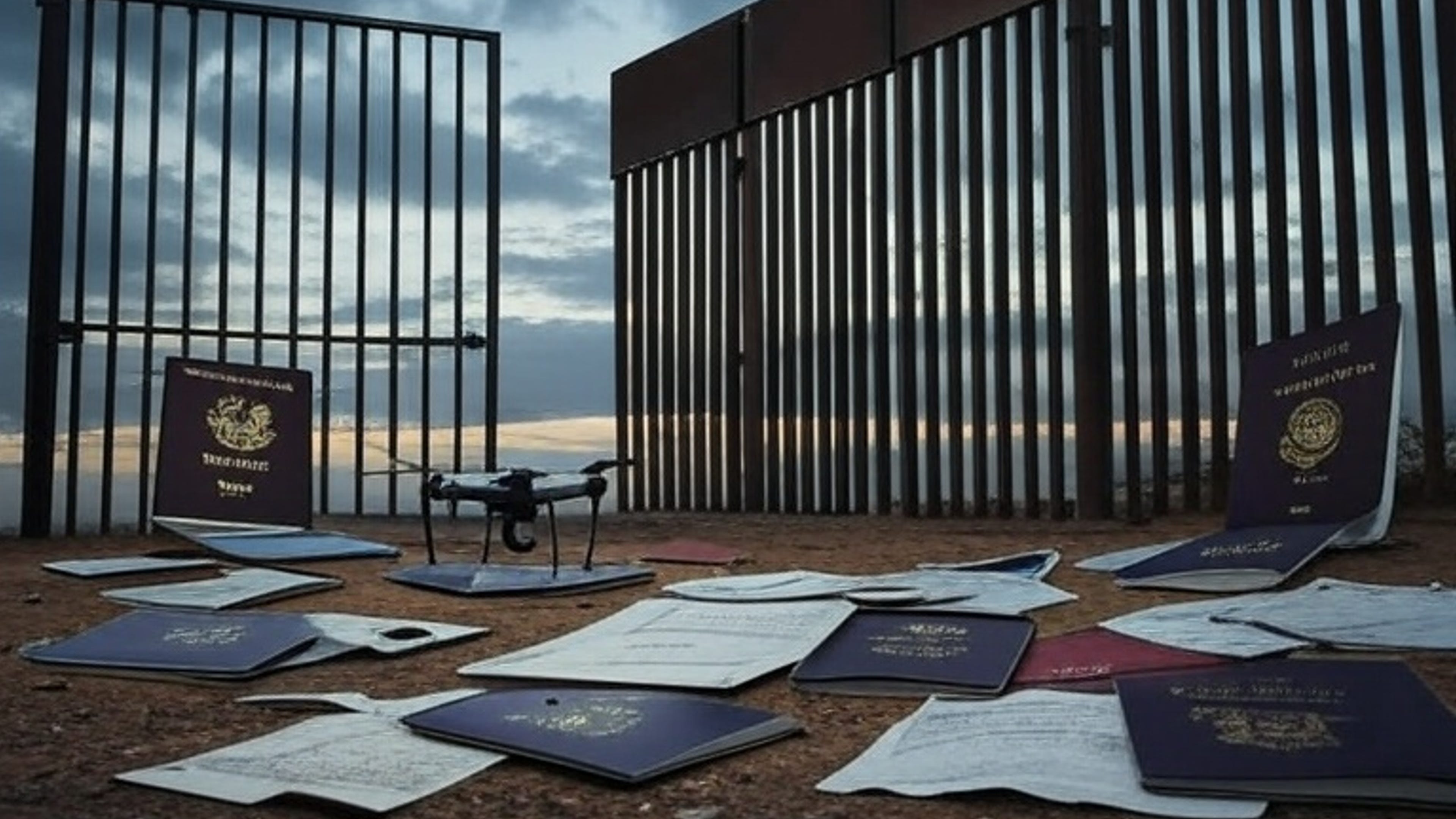
Introduction: Unveiling the Invader Crisis
The United States stands as a beacon of opportunity, its borders a sacred line defining national identity and security. Yet, an insidious crisis erodes this foundation: the unchecked influx of illegal immigrants who breach these borders, defying laws and threatening the nation’s stability. These individuals, often cloaked in the guise of economic migrants or asylum seekers, represent a deliberate assault on American sovereignty, exploiting weak enforcement and porous defenses to infiltrate society. The term "invader" captures the essence of this threat, painting a vivid picture of those who cross without permission or harbor malicious intent, whether entering legally or illegally. This essay dissects the concept of invaders, exposing the failure of U.S. immigration systems to protect the nation. It defines the illegal invader as an unauthorized immigrant who disregards legal pathways, and the legal invader as a documented entrant with hidden agendas, both undermining the rule of law. By examining terminology, legal consequences, enforcement mechanisms, and the powerless role of citizens, this analysis reveals a nation betrayed by its own leniency, where political agendas exacerbate the crisis at the expense of security.
The notion of an invader transcends mere immigration status, embodying a deliberate challenge to national integrity. Illegal invaders cross borders without passports or visas, flouting federal laws that demand documentation for entry. Their presence mocks the legal framework designed to regulate who enters and remains in America. Legal invaders, meanwhile, exploit valid visas to mask their intentions, whether terrorism, espionage, or crime, slipping through vetting processes meant to safeguard the nation. Both types of invaders capitalize on a system riddled with gaps, from inadequate border patrols to overwhelmed internal agencies. The terminology surrounding these individuals—unauthorized immigrant, illegal alien, asylum seeker—attempts to sanitize their actions, but "invader" cuts through the euphemisms, highlighting the threat they pose. This essay will explore these definitions, revealing how they obscure the reality of unchecked migration.
The legal consequences for illegal entry are laughably weak, encouraging further violations. A misdemeanor charge for crossing without documentation carries minimal penalties, often unenforced, while felonies for repeat offenses or fraud rarely lead to significant punishment. Asylum seekers exploit legal loopholes, gaining entry despite lacking papers, further weakening enforcement. The U.S. defense system, spanning international intelligence, border security, and internal investigations, fails to stem the tide, allowing invaders to infiltrate communities. Citizens, stripped of authority to act, are left to report suspicions to an overburdened government, risking legal repercussions for their efforts. Political shifts, driven by administrative agendas, dictate enforcement intensity, leaving Americans at the mercy of leaders who prioritize votes over sovereignty. This essay will dissect these failures, exposing a nation vulnerable to those who exploit its borders.
The narrative of invasion is not mere rhetoric but a reflection of a broken system. Illegal invaders flood across the southern border, exploiting lax patrols and lenient policies, while legal invaders slip through with visas, their intentions undetected. The government’s failure to enforce laws emboldens these intruders, who settle in communities, evade deportation, and, in some cases, plot harm. Citizens watch helplessly as their neighborhoods harbor undocumented individuals, unable to act beyond submitting tips to agencies that may ignore them. This crisis demands a reckoning, as the nation’s security hangs in the balance. Through four distinct sections—defining invaders, legal consequences, enforcement failures, and citizen constraints—this essay will expose the depth of America’s immigration betrayal, culminating in a call to restore order and protect the homeland.
Part I: Defining the Invader Threat
The term "invader" encapsulates the threat posed by individuals who breach U.S. borders, whether through illegal entry or deceptive legal means, challenging the nation’s sovereignty. An invader is not merely a migrant but someone whose presence undermines the legal and social fabric of America, often with intent to disrupt or harm. Illegal invaders enter without authorization, crossing borders clandestinely or overstaying temporary permissions, defying the laws that govern entry. Legal invaders, conversely, wield valid passports and visas to mask their malicious goals, exploiting America’s trust in its vetting systems. Both types represent a deliberate assault on the nation’s security, exploiting weaknesses to establish a foothold.
Illegal invaders are unauthorized immigrants who lack valid documentation, such as passports or visas, required for legal entry. They cross the U.S.-Mexico border without inspection or remain after their legal status expires, thumbing their noses at federal regulations. The term "illegal alien" in federal law captures their unlawful presence, while "undocumented immigrant" highlights their lack of identification, softening the reality of their violation. Deportable aliens face removal proceedings, yet many evade consequences, blending into society. Irregular migrants and noncitizens without authorization similarly flout entry rules, their presence a direct challenge to border control. Some illegal invaders, labeled gotaways, slip past patrols undetected, further mocking enforcement efforts. Asylum seekers, entering without documents, exploit legal protections to gain entry, clogging courts with claims that delay deportation. These terms, while varied, underscore a common thread: illegal invaders operate outside the law, burdening the nation.
Legal invaders, by contrast, enter with proper documentation but harbor sinister intentions. These individuals secure tourist, student, or other visas through embassies, passing initial screenings to conceal plans for terrorism, espionage, or crime. The Visa Waiver Program, allowing entry for citizens of select countries with electronic authorization, provides another avenue for legal invaders to exploit. Terms like terrorist, threat actor, criminal alien, and foreign agent describe these individuals when their intent becomes clear. A terrorist seeks to sow fear through violence, a threat actor plots sabotage, a criminal alien commits felonies, and a foreign agent serves hostile powers. These labels, grounded in federal law, highlight the danger of legal invaders who betray America’s trust in its immigration system.
The distinction between illegal and legal invaders lies in their entry method, but both threaten national security. Illegal invaders overwhelm borders, exploiting physical and policy gaps, while legal invaders infiltrate through deception, evading detection until their actions surface. The term "invader" cuts through neutral euphemisms, exposing the reality of those who undermine America’s sovereignty. Whether crossing without papers or wielding fraudulent visas, these individuals capitalize on a system too weak to stop them. The failure to distinguish genuine threats from economic migrants emboldens invaders, leaving the nation vulnerable to their presence. This section sets the stage for understanding how lax penalties and ineffective enforcement perpetuate this crisis, allowing invaders to thrive unchecked.
Part II: Inadequate Legal Consequences for Invaders
The legal consequences for illegal entry into the U.S. are woefully inadequate, emboldening invaders to defy the nation’s laws with impunity. Federal statutes impose minimal penalties for unauthorized entry, failing to deter those who breach borders or exploit legal pathways with harmful intent. Illegal invaders face lenient charges, while legal invaders often escape scrutiny until their actions expose them, revealing a justice system ill-equipped to protect America’s sovereignty.
For illegal invaders, entering without a passport, visa, or inspection is a misdemeanor, punishable by up to six months in prison or a negligible fine. This minor penalty, rarely enforced to its fullest, does little to discourage border crossings. Many apprehended invaders are released with court notices, free to disappear into communities while awaiting hearings that may never occur. Re-entering after deportation, a felony, carries up to two years in prison, but repeat offenders often face no serious consequences due to enforcement gaps. Using fraudulent documents, such as fake passports or IDs, is a felony with up to seven years, yet prosecutions are scarce, as agencies prioritize only the most blatant cases. False claims to citizenship or identity theft also carry felony charges, but these are seldom pursued, allowing invaders to exploit legal loopholes.
Asylum seekers, a subset of illegal invaders, manipulate federal protections to gain entry without documentation. They face the same misdemeanor charge for improper entry but are often spared prosecution, released to pursue asylum claims that clog the system. These individuals exploit the right to seek protection, overwhelming courts and delaying deportation, even when claims lack merit. The leniency shown to asylum seekers encourages further illegal crossings, as invaders know they can evade punishment by claiming persecution.
Legal invaders, entering with valid documentation, face no immediate penalties unless their harmful intentions are uncovered. If identified as terrorists, threat actors, or criminal aliens, they face severe charges, such as terrorism-related offenses with decades in prison. However, these penalties apply only after evidence of intent emerges, often too late to prevent their entry. The vetting process for visas fails to catch these deceivers, allowing them to infiltrate under the guise of legitimate travelers. The lack of proactive measures to identify legal invaders before they act exposes America’s vulnerability to internal threats.
The weakness of these penalties reflects a broader failure to enforce immigration laws. Illegal invaders face minimal risk, with many released into society rather than detained. Legal invaders exploit this leniency, knowing initial screenings rarely detect their plans. The system’s inability to impose swift, severe consequences emboldens both groups, undermining national security. This failure sets the stage for examining the broken enforcement mechanisms that allow invaders to breach America’s defenses with ease.
Part III: Failed Enforcement Mechanisms
America’s defenses against invaders are a patchwork of ineffective measures, riddled with gaps that allow illegal and legal intruders to infiltrate the nation. Spanning international intelligence, border security, and internal enforcement, these mechanisms fail to stem the tide of unauthorized entry, leaving the U.S. exposed to those who defy its laws or plot harm. The government’s inability to secure its borders and interior betrays the trust of its citizens, who watch invaders exploit systemic weaknesses.
International intelligence operations aim to disrupt illegal migration before it reaches U.S. soil but fall short of their goal. Agencies collaborate with foreign governments to target smuggling networks, sharing biometric data and imposing sanctions on complicit officials. These efforts, spanning dozens of countries, seek to intercept invaders at their source, yet they barely dent the flow of illegal entrants. Smugglers adapt faster than intelligence, exploiting global routes to funnel invaders toward America’s borders.
Border security, the frontline defense, is equally inadequate. Border Patrol agents patrol vast stretches, using sensors, drones, and canines to apprehend illegal invaders, but their efforts are overwhelmed. Ports of entry screen travelers for valid passports and visas, turning away those without proper documents, but many slip through by claiming asylum or evading detection. Checkpoints near borders fail to catch gotaways, who disappear into the interior. Border walls, halted by political decisions, leave gaps that smugglers exploit. Air and marine patrols provide minimal support, unable to cover the expansive frontier. The sheer volume of illegal crossings exposes a border security system stretched beyond its limits.
Internal enforcement is the final, crumbling barrier. Immigration and Customs Enforcement detains and deports offenders, but its efforts are hamstrung by limited resources and court backlogs. Investigations into fraud and worksite violations are underfunded, allowing invaders to blend into communities. State and local police, restricted by sanctuary policies in some areas, assist in only a fraction of cases, leaving ICE to shoulder the burden. Task forces and biometric screenings aim to identify invaders, but their reach is limited, allowing many to remain undetected. The failure to deport swiftly emboldens illegal invaders, while legal invaders escape notice until their actions surface, revealing a system incapable of protecting America’s interior.
The collective failure of these mechanisms allows invaders to thrive. Illegal entrants exploit porous borders, while legal invaders slip through vetting, both capitalizing on a government too weak to enforce its laws. This breakdown leaves citizens powerless, forced to rely on a system that prioritizes politics over security, as the next section will explore.
Part IV: Powerless Citizens in the Face of Invasion
American citizens stand helpless against the invasion of illegal and legal intruders, stripped of authority to protect their communities. The federal government, tasked with enforcing immigration laws, leaves citizens to watch as invaders infiltrate neighborhoods, exploiting a system that fails to act. With no legal power to investigate, detain, or remove offenders, citizens are reduced to reporting suspicions to agencies that often ignore them, risking legal repercussions for their efforts. This betrayal by the government underscores the crisis of illegal immigration, where invaders prevail at the expense of national sovereignty.
Citizens have no legal obligation to report unauthorized immigrants, yet they are the first to witness their presence in communities. They can submit tips to Immigration and Customs Enforcement through a toll-free line or online form, providing details like names, addresses, or workplaces. However, they lack the authority to verify immigration status, demand documents, or detain suspects. Attempting to detain an invader risks charges of assault or false imprisonment, while forcibly removing someone constitutes kidnapping, a felony with severe penalties. In rare cases, citizens can perform a citizen’s arrest for witnessed felonies like re-entry after deportation, but they must immediately turn suspects over to police, a risky and impractical option.
Reporting invaders carries its own dangers. False reports, knowingly submitted, are felonies, punishable by up to five years in prison and fines. Tips based on assumptions, such as appearance or language, risk civil lawsuits or harassment charges if they cause harm, especially if perceived as discriminatory. Good-faith reports, even without proof, face no penalty, but citizens must avoid confrontation to prevent retaliation from invaders or their associates. Anonymous tips offer protection, but follow-up is limited, as agencies rarely update reporters due to confidentiality. This leaves citizens frustrated, unable to ensure action against known invaders in their midst.
To maximize impact, citizens must provide specific, factual details to Immigration and Customs Enforcement, focusing on criminal activity to align with agency priorities. Reporting to other agencies, like Customs and Border Protection for border issues or the FBI for crimes, can amplify scrutiny, but local police are constrained by federal authority and sanctuary policies in some states. Cooperative jurisdictions, like those in Texas, allow police to arrest for suspected immigration violations, but most defer to federal agencies, leaving citizens dependent on an unresponsive system.
The government’s failure to empower citizens reflects a broader refusal to prioritize sovereignty. Political agendas dictate enforcement, with some administrations prosecuting all invaders while others focus only on criminals, releasing millions to roam free. This inconsistency leaves citizens at the mercy of leaders who neglect their duty, allowing invaders to flourish while communities suffer. The powerlessness of citizens underscores the urgent need for reform, as the nation’s security hangs in the balance.
Conclusion
The invasion of America by illegal and legal intruders represents a profound betrayal of national sovereignty, enabled by a broken immigration system that fails to protect its citizens. Illegal invaders, crossing without passports or visas, exploit porous borders and lenient penalties, while legal invaders, armed with valid documentation, deceive vetting processes to pursue harmful agendas. The terminology of invaders—unauthorized immigrants, illegal aliens, terrorists—reveals the spectrum of threats, from those defying entry laws to those plotting violence. Yet, the government’s response is woefully inadequate, marked by weak penalties, ineffective enforcement, and political manipulation that prioritizes votes over security.
The legal consequences for invaders are a mockery of justice. Misdemeanor charges for illegal entry carry minimal punishment, often unenforced, while felonies for repeat offenses or fraud rarely lead to significant consequences. Asylum seekers manipulate protections, clogging courts and evading deportation. Legal invaders face no scrutiny until their actions surface, exploiting a system blind to their intentions. This leniency emboldens intruders, who know they can enter and remain with little risk, undermining the rule of law.
Enforcement mechanisms, from international intelligence to border patrols and internal investigations, are overwhelmed and underfunded. Collaborations abroad fail to stop smuggling networks, while border security cannot contain the flood of illegal crossings. Internal agencies struggle with backlogs, releasing invaders into communities rather than deporting them. Legal invaders slip through undetected, their plans unchecked until too late. This systemic failure allows millions to infiltrate America, mocking its sovereignty and exposing its vulnerabilities.
Citizens, left powerless, are forced to watch as invaders settle in their neighborhoods. They can report suspicions to Immigration and Customs Enforcement, but lack authority to act, risking legal repercussions for false or biased tips. Anonymous reporting offers some protection, but the government’s inaction leaves citizens frustrated, dependent on agencies swayed by political agendas. Local police, constrained by federal authority and sanctuary policies, offer limited help, further isolating citizens in their fight against invasion.
The root of this crisis lies in the government’s refusal to enforce its own laws consistently. Administrations shift priorities, with some cracking down on invaders while others grant leniency, releasing millions to exploit the system. This political betrayal leaves citizens defenseless, their communities overrun by those who have no right to be here. The term "invader" captures the gravity of this threat, stripping away euphemisms to reveal a nation under siege. America must reclaim its borders, strengthen penalties, and empower its people to restore sovereignty. Until then, the invasion will continue, eroding the foundation of a nation that once stood as a fortress of law and order.
Summary of the Essay
Central Theme: Illegal immigration represents an invasion that undermines U.S. sovereignty, with illegal and legal invaders exploiting weak enforcement, lenient penalties, and political inconsistencies.
Introduction:
Defines "invader" as those entering with intent to disrupt or harm, encompassing both illegal and legal entrants.
Frames illegal immigration as a crisis of national security, enabled by porous borders and government failure.
Outlines the essay’s focus: terminology, legal consequences, enforcement mechanisms, and citizen roles.
Part I: Defining the Invader Threat:
Illegal invaders enter without documentation, defying laws, while legal invaders use valid visas to conceal harmful intent.
Terms like unauthorized immigrant, illegal alien, and terrorist highlight the spectrum of threats.
Illegal invaders exploit border gaps; legal invaders deceive vetting processes.
Part II: Inadequate Legal Consequences:
Misdemeanor charges for illegal entry carry minimal penalties, often unenforced.
Felonies for re-entry or fraud are rarely prosecuted, encouraging violations.
Asylum seekers exploit loopholes, delaying deportation; legal invaders face no scrutiny until actions emerge.
Part III: Failed Enforcement Mechanisms:
International intelligence fails to disrupt smuggling networks effectively.
Border security, overwhelmed by crossings, cannot stop illegal invaders or gotaways.
Internal enforcement is crippled by backlogs and limited resources, allowing invaders to remain.
Part IV: Powerless Citizens:
Citizens lack authority to investigate, detain, or remove invaders, limited to reporting to ICE.
False or biased reports risk legal consequences; anonymous tips offer protection but no follow-up.
Political shifts dictate enforcement, leaving citizens at the mercy of inconsistent policies.
Conclusion:
Illegal and legal invaders threaten sovereignty due to weak penalties and enforcement.
Citizens are powerless, reliant on a government swayed by politics.
Calls for stronger laws and enforcement to restore national security.
Bullet Points of the Essay
Defining Invaders: The term "invader" describes illegal and legal immigrants who threaten U.S. sovereignty. Illegal invaders enter without authorization, defying laws, while legal invaders use valid visas to mask harmful intentions like terrorism or crime, exploiting weak vetting systems.
Illegal Invaders: These are unauthorized immigrants crossing borders without documentation or overstaying visas, ignoring federal laws. Terms like "illegal alien" or "gotaway" highlight their evasion of border controls, with asylum seekers exploiting legal loopholes to delay deportation.
Legal Invaders: Individuals entering with valid documentation but harboring malicious goals, such as terrorism or espionage. They pass initial screenings, exploiting programs like the Visa Waiver Program, and are only penalized after their actions are uncovered.
Weak Legal Consequences: Illegal entry is a misdemeanor with minimal penalties, often unenforced, while felonies like re-entry or fraud face rare prosecution. Asylum seekers exploit protections, clogging courts, and legal invaders face no penalties until their intent is exposed.
Failed Enforcement Mechanisms: International intelligence, border security, and internal enforcement are inadequate. Smuggling networks outpace global efforts, border patrols are overwhelmed, and internal agencies lack resources, allowing invaders to infiltrate communities.
Border Security Shortfalls: Border Patrol uses technology but is understaffed, with gaps in walls and checkpoints exploited by illegal invaders. Ports of entry fail to stop asylum claims or gotaways, leaving borders porous.
Internal Enforcement Failures: Immigration and Customs Enforcement struggles with backlogs and limited funding, releasing invaders instead of deporting them. Sanctuary policies and underfunded investigations allow illegal and legal invaders to evade detection.
Powerless Citizens: Citizens cannot legally detain or investigate invaders, risking charges like assault or false imprisonment. They can report to ICE but face legal risks for false tips, and government inaction leaves them frustrated and helpless.
Reporting Risks and Limitations: Citizens must provide specific details to ICE, but false or biased reports can lead to felonies or lawsuits. Anonymous tips are safer but rarely followed up, and local police are limited by federal authority or sanctuary laws.
Political Influence on Enforcement: Enforcement varies by administration, with some prioritizing all invaders and others only criminals, releasing millions. This inconsistency undermines sovereignty, leaving citizens dependent on politically driven policies.
Call for Reform: The essay demands stronger penalties, consistent enforcement, and citizen empowerment to restore U.S. sovereignty. It argues that the term "invader" reflects the crisis’s severity, urging action to secure borders and protect the nation.
Summary of Border Crossing and Law Enforcement Interaction
Pre-Border Crossing:
Intelligence Gathering: Federal agencies like Immigration and Customs Enforcement and Customs and Border Protection collaborate with foreign governments to monitor smuggling networks and migration routes, aiming to intercept potential invaders before they reach U.S. borders.
Visa Application: Legal entrants apply for visas through embassies or online systems, submitting passports and undergoing vetting to detect harmful intent, though legal invaders often evade scrutiny.
Smuggling Operations: Illegal invaders coordinate with smugglers, planning clandestine crossings outside ports, bypassing documentation requirements.
No Citizen Role: Citizens have no direct involvement pre-crossing, as intelligence and vetting are federal functions.
During Border Crossing:
At Ports of Entry: Customs and Border Protection officers screen travelers for valid passports and visas. Illegal invaders lacking documentation are deemed inadmissible and returned or detained; legal invaders with valid documents pass through, concealing intent.
Between Ports: Border Patrol agents monitor borders using surveillance tools, apprehending illegal invaders crossing without inspection. Gotaways evade capture, entering without documentation.
Asylum Claims: Some illegal invaders present at ports or after apprehension, claiming asylum to exploit legal protections, delaying enforcement actions.
No Citizen Interaction: Citizens cannot engage during crossings, as border enforcement is exclusively federal.
Post-Border Crossing:
Apprehension and Processing: Illegal invaders caught by Border Patrol face misdemeanor charges for improper entry or detention for removal. Many are released with court notices, remaining in the U.S. pending hearings.
Internal Enforcement: Immigration and Customs Enforcement investigates and detains unauthorized immigrants, prioritizing those with criminal intent. Legal invaders face scrutiny only if actions surface, often too late.
Court Proceedings: Deportable aliens enter immigration courts, where delays allow many to stay. Asylum seekers undergo credible fear interviews, further complicating enforcement.
Citizen Reporting: Citizens can report suspected unauthorized immigrants to Immigration and Customs Enforcement, providing details to trigger investigations, but lack authority to act further.
Citizen Interaction and Reporting Capabilities
No Legal Duty: Citizens are not required to report unauthorized immigrants, but can voluntarily submit tips to Immigration and Customs Enforcement via a toll-free line or online form.
Reporting Process:
Provide specific details like names, addresses, or workplaces to increase investigation likelihood.
Anonymous tips protect against retaliation or legal consequences, such as lawsuits for false reports.
Reports based on appearance or language risk accusations of discrimination but face no penalty if made in good faith.
Limitations:
Citizens cannot verify immigration status, detain, or remove individuals, as these are federal powers.
Attempting detention risks charges like assault or kidnapping; removal is illegal under all circumstances.
Follow-up on reports is limited, as Immigration and Customs Enforcement rarely provides updates due to confidentiality.
Other Agencies: Citizens can report to Customs and Border Protection for border issues, the FBI for crimes, or local police in cooperative jurisdictions, but Immigration and Customs Enforcement is primary for interior enforcement.
Impact: Detailed, anonymous reports focusing on criminal activity align with agency priorities, increasing chances of deportation, but citizens remain dependent on federal action.
List of Terms and Terminology
Invader: An individual entering the U.S. with intent to disrupt or harm societal, political, or economic stability, regardless of legal status.
Illegal Invader: An unauthorized immigrant entering without documentation, perceived as threatening sovereignty, though intent may not be proven.
Legal Invader: An individual entering with valid documentation (passport, visa) but harboring harmful intentions, such as terrorism or espionage.
Unauthorized Immigrant: A person entering or residing without legal permission, including border crossers or visa overstays.
Undocumented Immigrant: A person lacking legal identification, such as a passport or visa, synonymous with unauthorized immigrant.
Illegal Alien: A noncitizen violating immigration laws, as defined in federal statutes.
Deportable Alien: A noncitizen subject to removal for immigration violations, such as illegal entry or lack of documentation.
Noncitizen: Any individual not a U.S. citizen, including those without legal authorization.
Irregular Migrant: A global term for someone entering or residing without legal authorization, often without documentation.
Asylum Seeker: A person requesting protection from persecution, often entering without documentation, processed through legal channels.
Gotaway: An individual crossing the border illegally and evading apprehension, lacking documentation.
Parolee: A noncitizen granted temporary entry without a visa, often for humanitarian reasons.
Terrorist: An individual planning violent acts to intimidate or influence policy, applicable to legal or illegal entrants.
Threat Actor: A person posing risks of violence or sabotage, used in security contexts.
Criminal Alien: A noncitizen committing or intending crimes, prioritized for deportation.
Foreign Agent: An individual acting for a foreign entity to harm U.S. interests, such as through espionage.
Summary
Delve into the pressing challenge facing America as borders weaken under an influx of unauthorized entrants. This analysis explores systemic failures, legal loopholes, and the impact on national security, urging a reevaluation of policies. Engage with a narrative that reveals the complexities and stakes of maintaining a secure sovereign nation.
#IllegalImmigration #BorderSecurity #NationalSovereignty #ImmigrationCrisis #USASecurity
Tags: illegal immigration, border security, national sovereignty, immigration crisis, USA security
Watch video on X, Rumble, Odysee, BitChute, Brighteon, Facebook, Gab, Gettr, Minds, or realfreenews.com