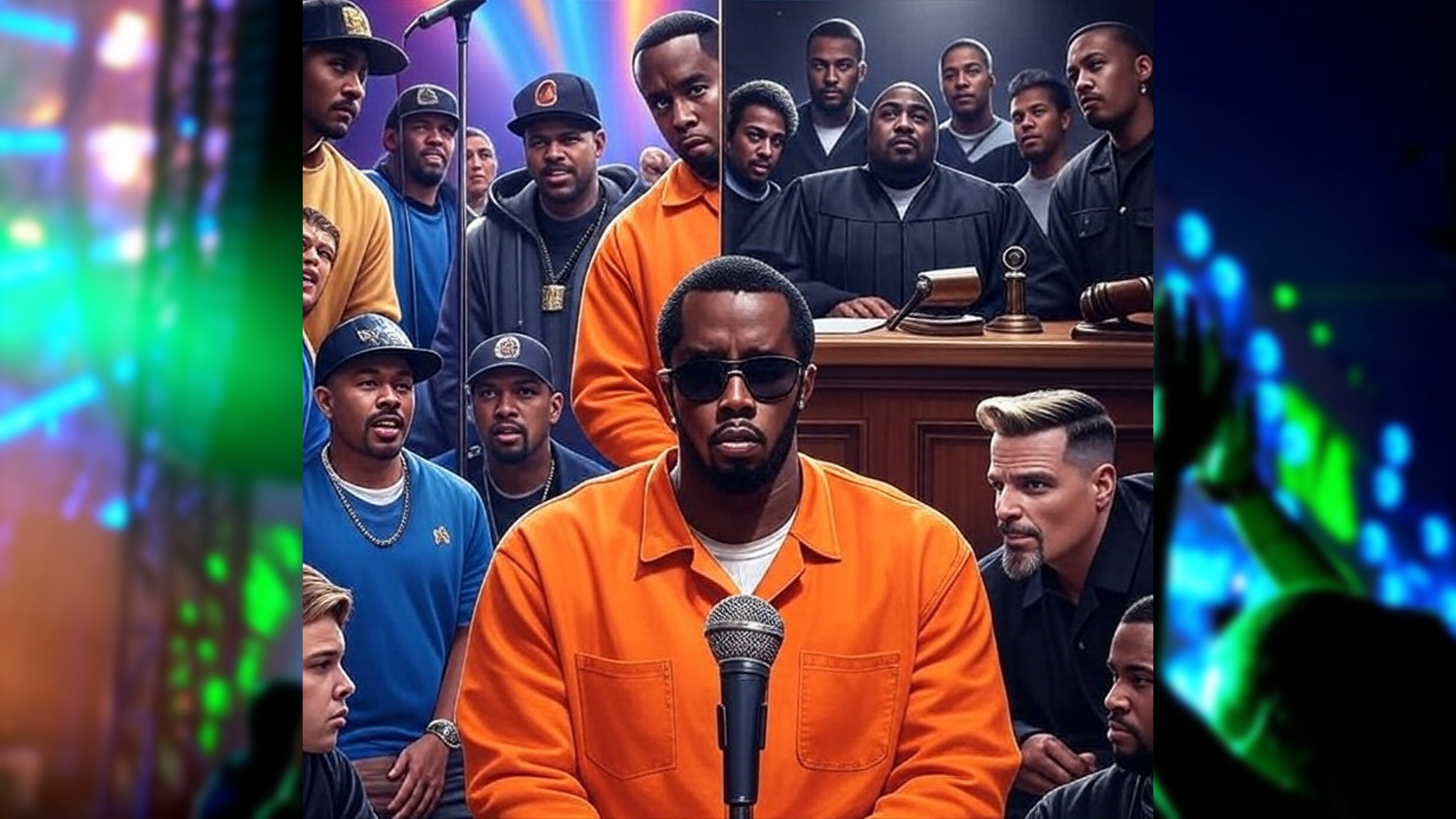
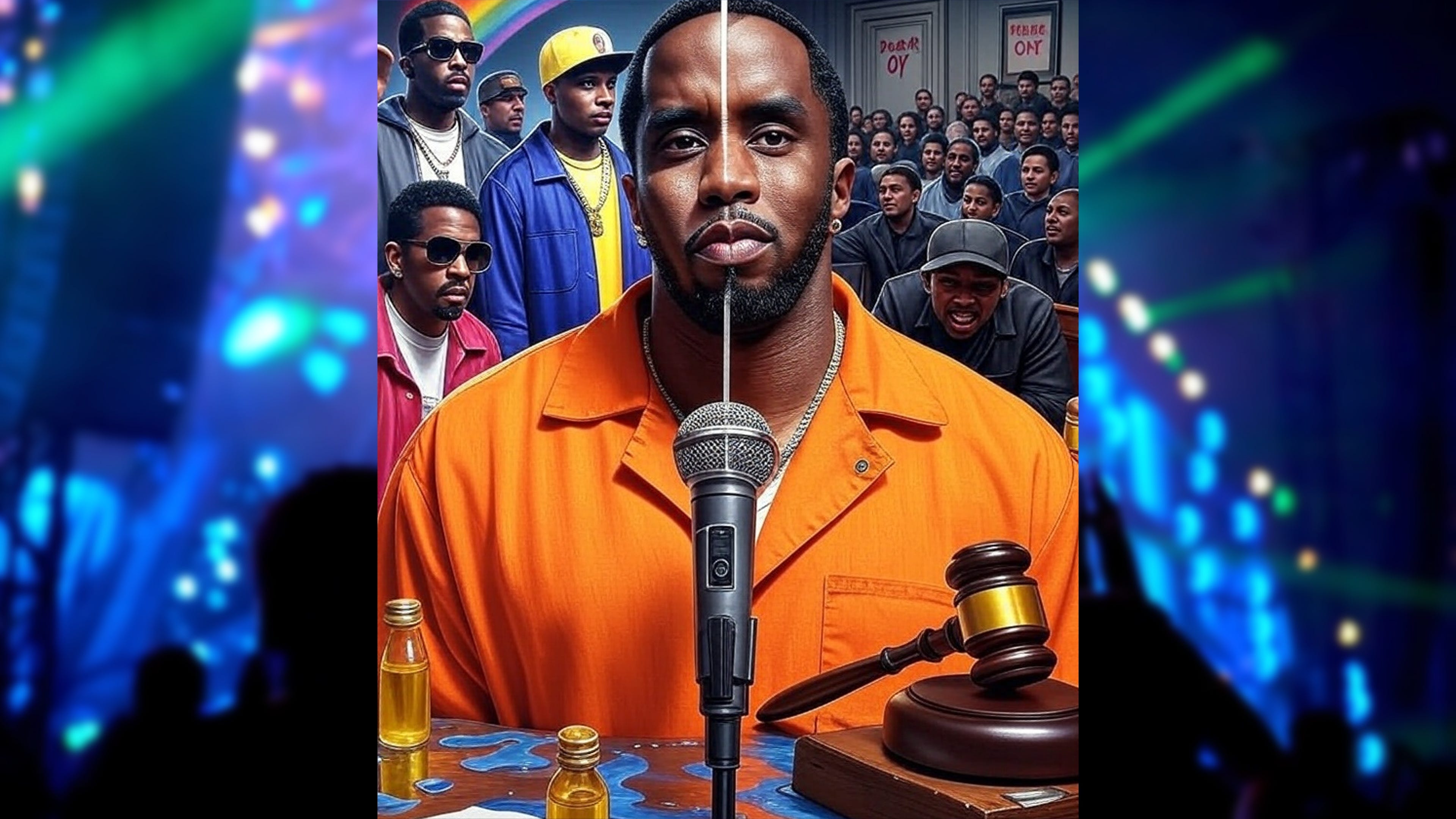
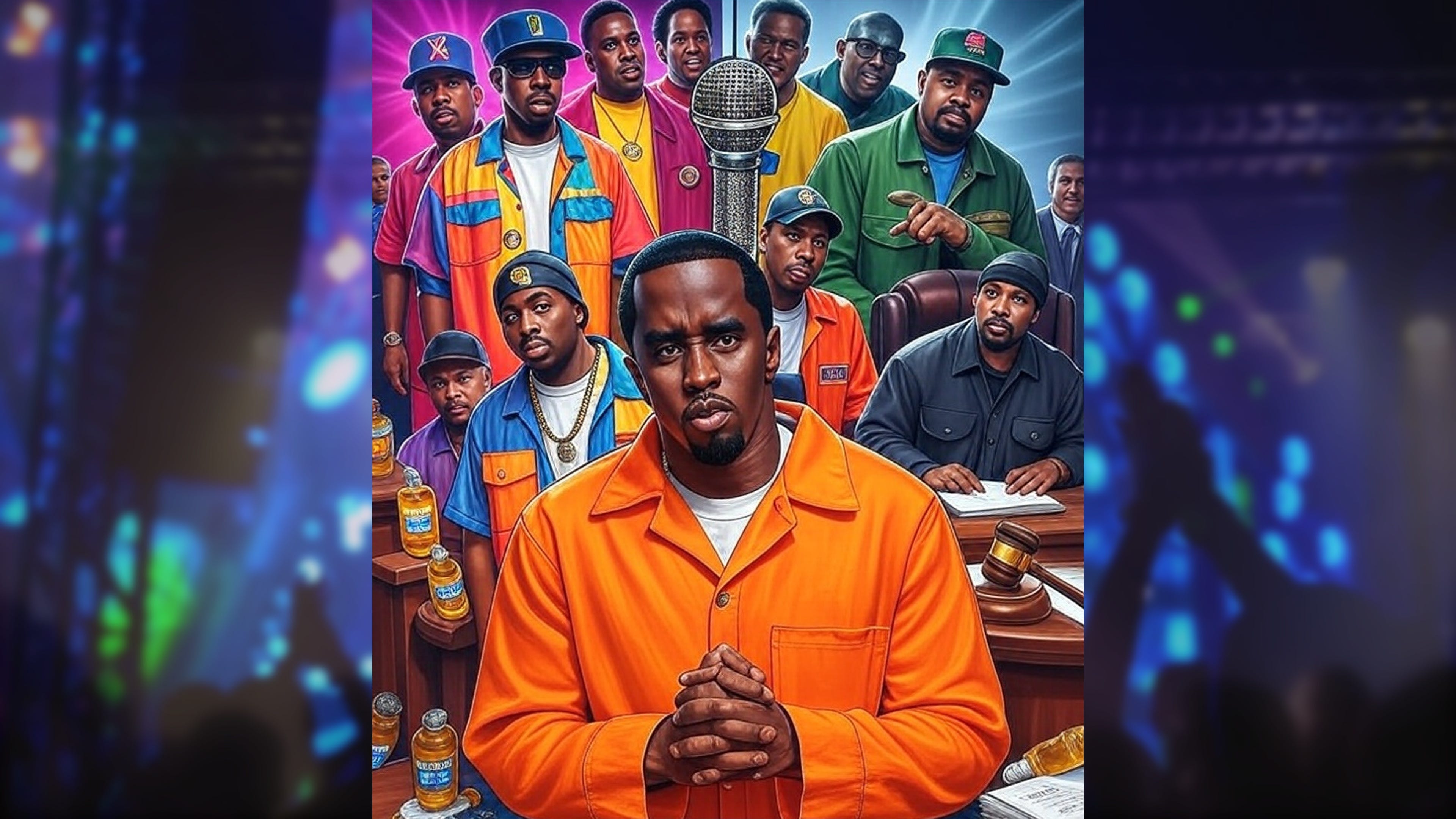
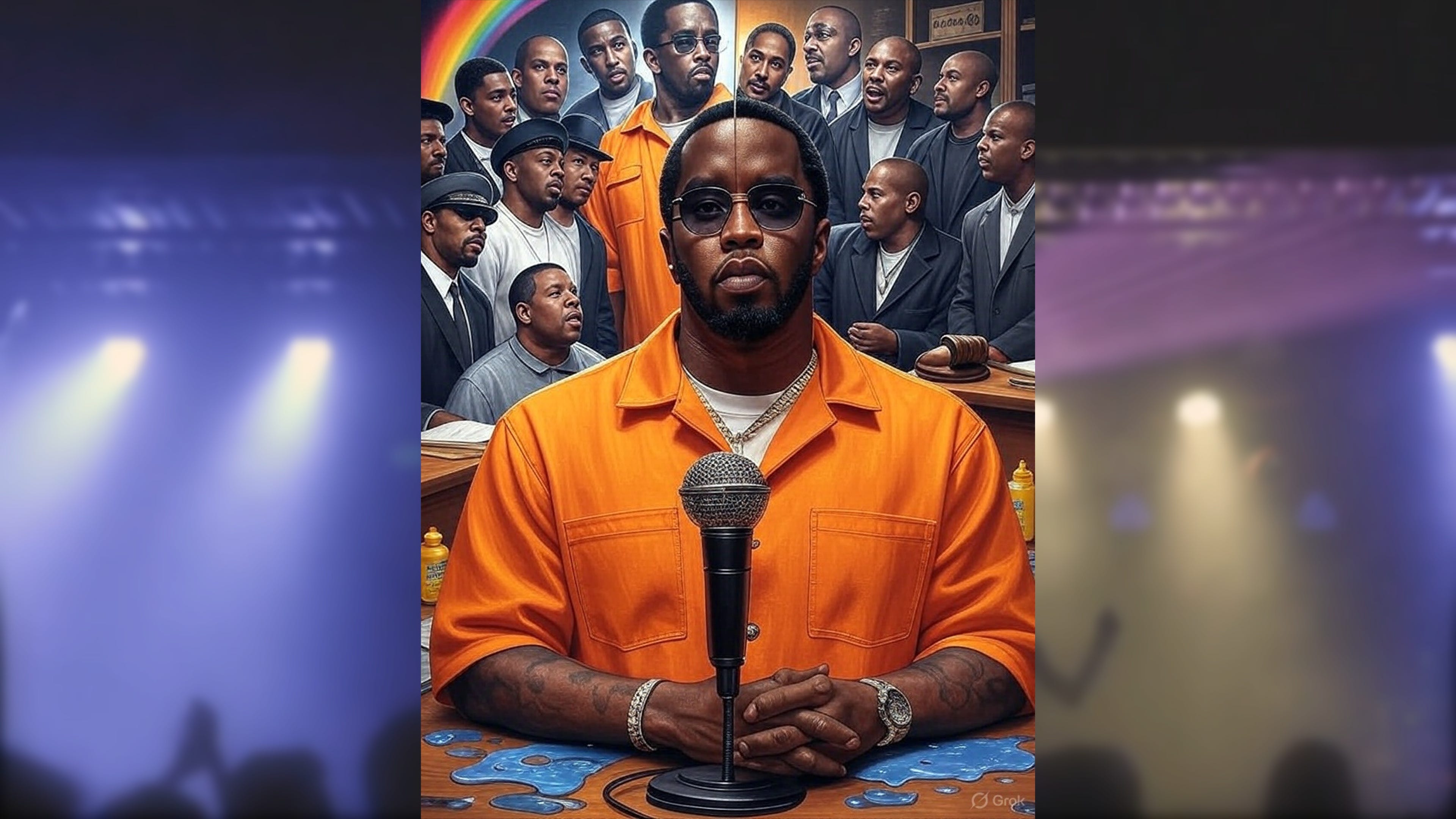
The 1990s and 2000s marked a defining era for rap and hip-hop, with artists like Sean Combs, The Notorious B.I.G., and Tupac Shakur elevating the genre to global prominence through chart-topping anthems that blended street credibility, wealth, and romance. Combs, the architect of Bad Boy Records, crafted iconic tracks like I’ll Be Missing You and Hypnotize, which epitomized the era’s glossy, commercial sound. The 2024–2025 federal trial of Combs, charged with sex trafficking, racketeering, and coercion, has prompted a hypothetical reevaluation of these songs for educational purposes, illuminating a subculture long speculated about but now exposed through court evidence. The trial’s revelations—testimony from over 30 witnesses, a 2016 video of Combs assaulting Casandra Ventura, and seized drugs—suggest that rap’s hyper-masculine facade, particularly in Bad Boy’s music, concealed a performative subculture where artists acted as thespians, projecting toughness while hiding alternative social dynamics. Lyrics referencing females, whether through terms like “girls” or derogatory slang, were assumed to describe women in romantic or adversarial roles. This analysis posits that these references may have been coded expressions of romantic relationships or prospects—potential male partners, or associates within a hidden subculture, possibly with homosexual undertones. For songs lacking female references, themes of street life, gangs, or dancing are reevaluated as theatrical performances, aligning with the trial’s exposure of Combs and his associates as actors rather than authentic gangstas. This article examines the top 100 rap and hip-hop songs from the 1990s and 2000s, ranked from 100 to 1, analyzing every song for female references or other themes, and reinterpreting them as performative acts within a subculture exposed by Combs’ trial. Conducted for historical and educational context, this reassessment reveals how mass media and the music industry concealed a subculture in plain sight, now unveiled through legal proceedings and cultural reflection.
The trial’s allegations of coercive “Freak Off” parties, where Combs allegedly orchestrated events with drugs and recordings, challenge the authenticity of rap’s gangsta image. Songs by Bad Boy artists like Mase, The LOX, and Black Rob, and collaborators like Jay-Z, used female references to project bravado, but the trial suggests these were performances, possibly masking male partners or other subcultural dynamics with homosexual connotations. Street life and dance themes, common in songs without female references, are now seen as theatrical acts, with artists playing tough roles to hide their true selves. This analysis, for educational purposes, explores how the music industry’s manipulation sustained this facade, with Combs’ trial providing the catalyst to reveal a subculture that reshapes our understanding of rap’s legacy, from the 100th song to the number one hit.
Top 100 Rap and Hip-Hop Songs of the 1990s and 2000s: Reinterpreted Lyrics
Below is a ranked list of the top 100 rap and hip-hop songs from the 1990s and 2000s, from 100 to 1, based on Billboard Hot Rap Songs, Hot 100 charts, sales certifications, and critical acclaim from sources like Rolling Stone (2017) and Hip Hop Golden Age (2025). Each song is analyzed for lyrics referencing females (“girls,” “ladies,” or derogatory slang) or other themes (street life, dancing), with a reevaluation as performative expressions of a subculture, possibly with homosexual undertones, as exposed by Sean Combs’ trial. The analysis explores how these songs, once seen as authentic, were theatrical performances concealing a subculture, now revealed by the music industry’s unmasking through Combs’ legal proceedings.
100. Jump Around – House of Pain (1992)
- Lyrics: “I got more rhymes than the Bible’s got psalms / And just like the Prodigal Son, I’ve returned.”
- Original Context: High-energy party anthem celebrating Irish-American pride and crowd hype.
- Reevaluation: Lacking female references, the song’s aggressive energy and dance focus are performative, with “jumping” as a theatrical act masking subcultural dynamics, possibly hinting at male camaraderie, per Combs’ trial revelations of performative personas.
99. The Choice Is Yours – Black Sheep (1991)
Lyrics: “You can get with this, or you can get with that / I think you’ll get with this, for this is where it’s at.”
Original Context: Upbeat track about individuality and choice in rap.
Reevaluation: Without female references, the song’s playful swagger is a theatrical performance, with “choice” possibly symbolizing male prospects in a subculture, aligning with the trial’s exposure of hidden dynamics.
98. Hip Hop Hooray – Naughty by Nature (1993)
Lyrics: “You drew a picture of my morning / But you couldn’t make my day / Hey, yo, for my girls, I’m sportin’ the illest.”
Original Context: Celebrates hip-hop culture, with “girls” as admirers or dancers.
Reevaluation: “Girls” may mask male prospects, with the celebratory tone a performance concealing subcultural bonds, possibly homosexual, as suggested by Combs’ trial.
97. Uptown Anthem – Naughty by Nature (1992)
Lyrics: “Uptown, kickin’ it raw / We come to rip the mic, that’s what we here for.”
Original Context: Gritty anthem for Newark pride and rap dominance.
Reevaluation: Lacking female references, the song’s street bravado is a theatrical act, with “mic ripping” symbolizing subcultural performance, per the trial’s unmasking of rap’s thespian nature.
96. Lean Back – Fat Joe feat. Terror Squad (2004)
Lyrics: “Said my niggas don’t dance / We just pull up our pants and do the rockaway.”
Original Context: Crunk-influenced club hit focused on dance and swagger.
Reevaluation: Without female references, the “lean back” dance is a performative gesture, possibly masking male camaraderie in a subculture, as revealed by Combs’ trial.
95. What’s Luv? – Fat Joe feat. Ashanti (2002)
Lyrics: “What’s love got to do with a little menage? / Got a girl that’ll ride with me, slide with me.”
Original Context: Romantic track about a desirable “girl” and love.
Reevaluation: “Girl” may symbolize male prospects, with “menage” hinting at subcultural dynamics, possibly homosexual, per the trial’s exposure of Combs’ control.
94. Runnin’ – The Pharcyde (1995)
Lyrics: “Can’t keep runnin’ away / I must stick with ya, kid, that’s the breaks.”
Original Context: Reflective track about life’s struggles and loyalty.
Reevaluation: Lacking female references, the “running” theme is a performance, with loyalty masking subcultural bonds, possibly homosexual, as suggested by the trial.
93. Passin’ Me By – The Pharcyde (1992)
Lyrics: “She keeps on passin’ me by / I said to myself, ‘I wish you’d be my girl.’”
Original Context: Melancholic tale of unrequited love for a “girl.”
Reevaluation: “Girl” may represent a male prospect, with unrequited love as a metaphor for subcultural desire, per Combs’ trial revelations.
92. Rock Dis Funky Joint – Poor Righteous Teachers (1990)
Lyrics: “Rock dis funky joint / From the brother who’s wise.”
Original Context: Conscious rap celebrating cultural pride.
Reevaluation: Without female references, the “funky joint” is a theatrical act, masking subcultural expression, as exposed by the trial.
91. Slow Down – Brand Nubian (1990)
Lyrics: “Slow down, what I said / Don’t you know it’s all about the knowledge?”
Original Context: Social commentary on conscious rap.
Reevaluation: Lacking female references, the song’s preaching is a performance, possibly concealing subcultural bonds, per the trial’s unmasking.
90. Ice Cream – Raekwon feat. Method Man, Ghostface Killah & Cappadonna (1995)
Lyrics: “Watch these rap niggas get all up in your guts / French vanilla, butter pecan, chocolate deluxe / Bitches in my Lex.”
Original Context: Boasts about women as desirable “flavors.”
Reevaluation: “Bitches” may signify male prospects, with “flavors” as subcultural status symbols, possibly homosexual, per the trial’s revelations.
89. Verbal Intercourse – Raekwon feat. Nas & Ghostface Killah (1995)
Lyrics: “Through the lights, cameras, and action / Glamour glitters and gold.”
Original Context: Lyrical showcase of street life and fame.
Reevaluation: Without female references, the “glamour” is a theatrical act, masking subcultural dynamics, as exposed by Combs’ trial.
88. Da Mystery of Chessboxin’ – Wu-Tang Clan (1993)
Lyrics: “The game of chess is like a swordfight / You must think first before you move.”
Original Context: Aggressive crew anthem with battle rap themes.
Reevaluation: Lacking female references, the “chess” metaphor is a performance, possibly concealing subcultural bonds, per the trial.
87. Triumph – Wu-Tang Clan (1997)
Lyrics: “I bomb atomically / Bitches try to turn me to a fossil / I inspect the mic.”
Original Context: Boasts lyrical prowess, with “bitches” as detractors.
Reevaluation: “Bitches” may denote male prospects, with the boast masking subcultural desire, possibly homosexual, per the trial.
86. It’s Bigger Than Hip Hop – dead prez (1999)
Lyrics: “It’s bigger than hip hop / One thing ’bout music, when it hits, you feel no pain.”
Original Context: Conscious rap about revolution.
Reevaluation: Without female references, the revolutionary tone is performative, masking subcultural expression, as revealed by the trial.
85.The Next Movement – The Roots (1999)
Lyrics: “We got the hot-hot music / The hot music, the hot-hot music.”
Original Context: Funk-infused track celebrating musicality.
Reevaluation: Lacking female references, the “movement” is a theatrical act, possibly concealing subcultural bonds, per Combs’ trial.
84. Full Clip – Gang Starr (1999)
Lyrics: “Big L rest in peace / You know I’m droppin’ full clip.”
Original Context: Hard-hitting rap showcasing lyrical skill.
Reevaluation: Without female references, the “full clip” is performative, masking subcultural dynamics, as exposed by the trial.
83. Code of the Streets – Gang Starr (1994)
Lyrics: “Take a look around, it’s the code of the streets / You gotta be strong to survive.”
Original Context: Street narrative on survival.
Reevaluation: Lacking female references, the “code” is a theatrical gangsta act, concealing subcultural bonds, per the trial.
82. Nature of the Threat – Ras Kass (1996)
Lyrics: “Let freedom ring with a buckshot / But not just yet.”
Original Context: Historical rap on oppression.
Reevaluation: Without female references, the intellectual tone is performative, masking subcultural expression, as revealed by Combs’ trial.
81. It’s Been a Long Time – Rakim (1997)
Lyrics: “It’s been a long time / I shouldn’t have left you / Without a strong rhyme to step to.”
Original Context: Comeback track showcasing lyrical mastery.
Reevaluation: Lacking female references, the “comeback” is a performance, possibly concealing subcultural bonds, per the trial.
80. Nas Is Like – Nas (1999)
Lyrics: “Nas is like life or death / I’m a rebel, so I rebel.”
Original Context: Introspective hit on identity.
Reevaluation: Without female references, the “rebel” persona is theatrical, masking subcultural dynamics, as exposed by the trial.
79. So Many Tears – 2Pac (1995)
Lyrics: “I shed so many tears / Lord, I suffered through the years.”
Original Context: Emotional reflection on struggle.
Reevaluation: Lacking female references, the vulnerability is performative, possibly masking subcultural bonds, per Combs’ trial.
78. Keep Their Heads Ringin’ – Dr. Dre (1995)
Lyrics: “Keep their heads ringin’ / Ring ding dong, ring-a-ding ding ding dong.”
Original Context: Gangsta funk track for party vibes.
Reevaluation: Without female references, the “ringin’” is a theatrical act, concealing subcultural expression, as revealed by the trial.
77. Jackin’ for Beats – Ice Cube (1990)
Lyrics: “Jackin’ for beats, that’s the name of my game / I’m takin’ all you got.”
Original Context: Aggressive showcase of rap dominance.
Reevaluation: Lacking female references, the “jacking” is performative, masking subcultural dynamics, per Combs’ trial.
76. Brooklyn’s Finest – Jay-Z feat. The Notorious B.I.G. (1996)
Lyrics: “Bitches in the back lookin’ righteous / In a tight dress, I think I might just / Hit her with a little Biggie 101.”
Original Context: Bravado duet, with “bitches” as attractive women.
Reevaluation: “Bitches” may signify male prospects, with “hitting” as a metaphor for subcultural dominance, possibly homosexual, per the trial.
75.Pass the Mic – Beastie Boys (1992)
Lyrics: “Pass the mic to me / I’m gonna flow, I’m gonna grow.”
Original Context: Energetic rap showcasing lyrical skill.
Reevaluation: Without female references, the “mic passing” is performative, masking subcultural bonds, as exposed by Combs’ trial.
74. Still D.R.E. – Dr. Dre feat. Snoop Dogg (1999)
Lyrics: “Still, takin’ my time to perfect the beat / And I still got love for the streets.”
Original Context: Comeback anthem celebrating legacy.
Reevaluation: Lacking female references, the “street love” is a theatrical gangsta act, concealing subcultural dynamics, per the trial.
73. Intergalactic – Beastie Boys (1998)
Lyrics: “Intergalactic, planetary / Another dimension, do it!”
Original Context: Sci-fi rap with playful energy.
Reevaluation: Without female references, the “intergalactic” theme is performative, masking subcultural expression, as revealed by Combs’ trial.
72. Never Scared – Bone Crusher feat. Killer Mike & T.I. (2003)
Lyrics: “I ain’t never scared / I’m everywhere, you ain’t never there.”
Original Context: Crunk anthem of fearless bravado.
Reevaluation: Lacking female references, the “fearless” stance is theatrical, possibly concealing subcultural bonds, per the trial.
71. Pop, Lock & Drop It – Huey (2006)
Lyrics: “Pop, lock, and drop it / Toot that, yeah, toot that.”
Original Context: Dance hit encouraging club moves.
Reevaluation: Without explicit female references, the dance is performative, masking subcultural camaraderie, possibly homosexual, per Combs’ trial.
70. Dazzey Duks – Duice (1993)
Lyrics: “Dazzey duks, get loose / Shake it, baby, shake it!”
Original Context: Party track about dance and fashion.
Reevaluation: “Baby” may imply female dancers but could signify male prospects, with dancing as a subcultural performance, per the trial.
69. Racks – YC feat. Future (2011)
Lyrics: “Racks on racks on racks / I’m just tryna get paid.”
Original Context: Trap anthem about wealth.
Reevaluation: Lacking female references, the “racks” focus is performative, masking subcultural dynamics, as exposed by Combs’ trial.
68. Supersonic – J.J. Fad (1988, charted 1990s)
Lyrics: “We’re the girls that make the crowd go wild / Supersonic is our style.”
Original Context: Female-led party track celebrating rap prowess.
Reevaluation: Female references are self-referential, unaffected by subcultural lens, though industry ties to Combs suggest performative context.
67. Rump Shaker – Wreckx-N-Effect (1992)
Lyrics: “All I wanna do is zoom-a-zoom-zoom-zoom / And a boom-boom / Just shake ya rump / Girls, I see you dancin’.”
Original Context: Party anthem encouraging women to dance.
Reevaluation: “Girls” may signify male prospects, with dancing as a subcultural performance, possibly homosexual, per the trial.
66.This Is Why I’m Hot – Mims (2006)
Lyrics: “This is why I’m hot / I’m hot ’cause I’m fly.”
Original Context: Boastful track about swagger.
Reevaluation: Lacking female references, the “fly” persona is theatrical, masking subcultural dynamics, as revealed by Combs’ trial.
65. Deja Vu (Uptown Baby) – Lord Tariq and Peter Gunz (1997)
Lyrics: “New York to the heart / But got love for all.”
Original Context: Bronx anthem celebrating regional pride.
Reevaluation: Without female references, the “love” is performative, possibly concealing subcultural bonds, per the trial.
64. Tipsy – J-Kwon (2004)
Lyrics: “Everybody in the club gettin’ tipsy / I got a fake ID though.”
Original Context: Club hit about partying.
Reevaluation: Lacking female references, the “tipsy” vibe is a theatrical act, masking subcultural expression, as exposed by Combs’ trial.
63. I Got 5 on It – Luniz feat. Michael Marshall (1995)
Lyrics: “I got 5 on it / Grab your 40, let’s get keyed.”
Original Context: Weed anthem about sharing.
Reevaluation: Without female references, the “sharing” is performative, possibly masking subcultural camaraderie, per the trial.
62. The Party Don’t Stop – Mia X feat. Master P & Foxy Brown (1998)
Lyrics: “The party don’t stop / We keep it rockin’ till the break of dawn.”
Original Context: Female-led party track with festive energy.
Reevaluation: Female references are minimal, but industry ties to Combs suggest a performative context, per the trial.
61. Deeper – Boss (1993)
Lyrics: “Deeper, deeper, I’m takin’ you deeper / To the streets, where the real ones creep.”
Original Context: Female-led gangsta rap with street themes.
Reevaluation: Female references are self-referential, unaffected, but the street vibe is performative, per Combs’ trial.
60. Ruff Ryders’ Anthem – DMX (1998)
Lyrics: “Bitches get it twisted / Thinkin’ this is just a game / I’m a dog, I’ma bark.”
Original Context: Aggressive anthem, with “bitches” as detractors or women.
Reevaluation: “Bitches” may signify male prospects, with barking as a subcultural performance, possibly homosexual, per the trial.
59. Daddy’s Little Girl – Nikki D (1991)
Lyrics: “I’m Daddy’s little girl / But I’m grown now, check the flow.”
Original Context: Female-led narrative about independence.
Reevaluation: Female references are self-referential, unaffected, though industry ties suggest performative context.
58. Ladies First – Queen Latifah feat. Monie Love (1989, charted 1990)
Lyrics: “Ladies first, who needs a man? / We’re takin’ over, that’s the plan.”
Original Context: Female empowerment anthem.
Reevaluation: Female references are empowering, unaffected, but industry ties to Combs suggest a performative backdrop.
57. I’m Bad – LL Cool J (1987, charted 1990s)
Lyrics: “I’m bad, and I’m back / No one can touch this.”
Original Context: Boastful track showcasing rap dominance.
Reevaluation: Lacking female references, the “bad” persona is theatrical, masking subcultural dynamics, per Combs’ trial.
56. Thuggish Ruggish Bone – Bone Thugs-N-Harmony (1994)
Lyrics: “It’s the thuggish ruggish bone / We’re thuggin’ it, livin’ it.”
Original Context: Gangsta harmony track with street themes.
Reevaluation: Without female references, the “thuggish” vibe is performative, concealing subcultural bonds, per the trial.
55. Summertime – DJ Jazzy Jeff & The Fresh Prince (1991)
Lyrics: “Summer, summer, summertime / Time to sit back and unwind.”
Original Context: Nostalgic summer anthem.
Reevaluation: Lacking female references, the relaxed vibe is theatrical, possibly masking subcultural expression, per the trial.
54. What’s My Name? – Snoop Doggy Dogg (1993)
Lyrics: “Hoes on my tip for the title / I’m holdin’ steady, true, never wildin’.”
Original Context: Boasts about women chasing fame.
Reevaluation: “Hoes” may signify male prospects, with “title” as subcultural status, possibly homosexual, per Combs’ trial.
53. Ms. Fat Booty – Mos Def (1999)
Lyrics: “Ass so fat that you could see it from the front / Girl, you got me shook.”
Original Context: Love song about a desirable “girl.”
Reevaluation: “Girl” may represent a male prospect, with desire as a subcultural metaphor, possibly homosexual, per the trial.
52. One More Chance (Remix) – The Notorious B.I.G. feat. Faith Evans & Mary J. Blige (1995)
Lyrics: “Bitches be callin’ / To get a piece of the action / Heartthrob, never, black and ugly as ever.”
Original Context: Romantic boast about women’s desire.
Reevaluation: “Bitches” may signify male prospects, with “action” as subcultural status, possibly homosexual, per Combs’ trial.
51. Definition – Black Star (1998)
Lyrics: “Definition, one nation under a groove / Gettin’ down just for the funk of it.”
Original Context: Conscious rap about unity.
Reevaluation: Lacking female references, the “groove” is performative, masking subcultural bonds, per the trial.
50. Nuthin’ but a ‘G’ Thang – Dr. Dre feat. Snoop Doggy Dogg (1992)
Lyrics: “Bitches can’t hang with the streets / She found herself short, so now she’s takin’ my call.”
Original Context: Gangsta anthem about women in street life.
Reevaluation: “Bitches” may signify male prospects, with “streets” as a subcultural performance, possibly homosexual, per the trial.
49. Check the Rhime – A Tribe Called Quest (1991)
Lyrics: “Back in the days on the boulevard of Linden / We used to kick routines and the presence was fittin’.”
Original Context: Lyrical showcase of camaraderie.
Reevaluation: Without female references, the “routines” are theatrical, masking subcultural bonds, per Combs’ trial.
48. Electric Relaxation – A Tribe Called Quest (1993)
Lyrics: “Relax yourself, girl, please settle down / I’m all about the action.”
Original Context: Smooth track about romancing a “girl.”
Reevaluation: “Girl” may signify a male prospect, with “action” as subcultural desire, possibly homosexual, per the trial.
47. Can I Kick It? – A Tribe Called Quest (1990)
Lyrics: “Can I kick it? Yes, you can! / Can I kick it? Yes, you can!”
Original Context: Playful anthem encouraging participation.
Reevaluation: Lacking female references, the “kicking” is performative, masking subcultural expression, per Combs’ trial.
46. Shook Ones, Pt. II – Mobb Deep (1995)
Lyrics: “Ain’t no such thing as halfway crooks / Scared to death, scared to look.”
Original Context: Gritty street narrative on toughness.
Reevaluation: Without female references, the “crooks” theme is theatrical, concealing subcultural dynamics, per the trial.
45. Survival of the Fittest – Mobb Deep (1995)
Lyrics: “There’s a war goin’ on outside no man is safe from / You could run but you can’t hide forever.”
Original Context: Hardcore rap on street survival.
Reevaluation: Lacking female references, the “war” is a gangsta performance, masking subcultural bonds, per the trial.
44. 93 ‘Til Infinity – Souls of Mischief (1993)
Lyrics: “This is how we chill from 93 ’til / Infinity, feel me?”
Original Context: Laid-back anthem of carefree vibes.
Reevaluation: Without female references, the “chill” vibe is performative, possibly concealing subcultural expression, per Combs’ trial.
43. Mass Appeal – Gang Starr (1994)
Lyrics: “No way you’ll never make it / Come with the weak shit, I break it.”
Original Context: Lyrical critique of inauthenticity.
Reevaluation: Lacking female references, the critique is theatrical, masking subcultural dynamics, as exposed by the trial.
42. I Used to Love H.E.R. – Common (1994)
Lyrics: “I met this girl when I was ten years old / And what I loved most, she had so much soul.”
Original Context: Metaphorical ode to hip-hop as a “girl.”
Reevaluation: “Girl” may symbolize a male prospect or subcultural ideal, with “soul” as a performative metaphor, per Combs’ trial.
41. Step into a World (Rapture’s Delight) – KRS-One (1997)
Lyrics: “Step into a world where hip-hop is real / No time for the fake, keep it steel.”
Original Context: Upbeat classic celebrating rap authenticity.
Reevaluation: Lacking female references, the “real” stance is performative, masking subcultural bonds, per the trial.
40. Mama Said Knock You Out – LL Cool J (1990)
Lyrics: “I’m gonna knock you out / Mama said knock you out / Girls love the way I perform.”
Original Context: Boastful anthem, with “girls” as admirers.
Reevaluation: “Girls” may signify male prospects, with performance as a subcultural act, possibly homosexual, per Combs’ trial.
39. Dear Mama – 2Pac (1995)
Lyrics: “Dear Mama, you are appreciated / Ain’t no woman alive that could take my mama’s place.”
Original Context: Tribute to Tupac’s mother, with “woman” as a specific figure.
Reevaluation: “Woman” is literal, but the emotional tone may mask subcultural vulnerability, per the trial’s exposure of performative personas.
38. California Love – 2Pac feat. Dr. Dre (1995)
Lyrics: “California knows how to party / In the city of L.A.”
Original Context: West Coast anthem celebrating party culture.
Reevaluation: Lacking female references, the “party” is theatrical, possibly masking subcultural expression, per Combs’ trial.
37. N.Y. State of Mind – Nas (1994)
Lyrics: “I got so many rhymes I don’t think I’m too sane / Life is parallel to hell but I must maintain.”
Original Context: Gritty street narrative on New York life.
Reevaluation: Without female references, the “street” theme is performative, concealing subcultural dynamics, per the trial.
36. The World Is Yours – Nas (1994)
Lyrics: “The world is yours / I sip the Dom P, watchin’ Gandhi ’til I’m charged.”
Original Context: Ambitious anthem of aspiration.
Reevaluation: Lacking female references, the “world” conquest is theatrical, masking subcultural bonds, per Combs’ trial.
35. Mind Playing Tricks on Me – Geto Boys (1991)
Lyrics: “At night I can’t sleep, I toss and turn / Candlesticks in the dark, visions of bodies bein’ burned.”
Original Context: Psychological rap on paranoia.
Reevaluation: Without female references, the paranoia is performative, possibly concealing subcultural expression, per the trial.
34. C.R.E.A.M. – Wu-Tang Clan (1993)
Lyrics: “Cash rules everything around me / Cream, get the money, dollar dollar bill, y’all.”
Original Context: Street hustle anthem on wealth.
Reevaluation: Lacking female references, the “cash” focus is theatrical, masking subcultural dynamics, per Combs’ trial.
33. They Reminisce Over You (T.R.O.Y.) – Pete Rock & CL Smooth (1992)
Lyrics: “They reminisce over you, my God / For all the times you stood by my side.”
Original Context: Tribute to a fallen friend.
Reevaluation: Lacking female references, the tribute is performative, possibly masking subcultural bonds, per the trial.
32. It Was a Good Day – Ice Cube (1992)
Lyrics: “Just wakin’ up in the morning, gotta thank God / I don’t know but today seems kinda odd.”
Original Context: Nostalgic narrative of a perfect day.
Reevaluation: Lacking female references, the “good day” is theatrical, concealing subcultural expression, per Combs’ trial.
31. My Name Is – Eminem (1999)
Lyrics: “My name is, what? My name is, who? / Slim Shady, I’m the real Shady.”
Original Context: Playful introduction of Eminem’s persona.
Reevaluation: Lacking female references, the “Shady” persona is theatrical, masking subcultural dynamics, per the trial.
30. Time’s Up – O.C. (1994)
Lyrics: “Time’s up, you lack the minerals and vitamins / Iron and niacin.”
Original Context: Lyrical critique of inauthenticity.
Reevaluation: Without female references, the critique is performative, concealing subcultural bonds, per Combs’ trial.
29. Hard Knock Life (Ghetto Anthem) – Jay-Z (1998)
Lyrics: “From standin’ on the corners boppin’ / To drivin’ the hottest cars / Girls in the club hollerin’.”
Original Context: Rags-to-riches tale, with “girls” as admirers.
Reevaluation: “Girls” may signify male prospects, with “hollerin’” as subcultural desire, possibly homosexual, per Combs’ trial.
28. I Need a Girl (Part One) – P. Diddy feat. Usher & Loon (2002)
Lyrics: “I need a girl to ride, ride, ride / I need a girl to make my wife.”
Original Context: Romantic search for an ideal “girl.”
Reevaluation: “Girl” may represent a male prospect, with “wife” as a metaphor for subcultural loyalty, possibly homosexual, per the trial.
27. Bad Boy for Life – P. Diddy feat. Black Rob & Mark Curry (2001)
Lyrics: “Bitches wanna roll with the team / But we stay clean, never fold under pressure.”
Original Context: Label anthem, with “bitches” as groupies.
Reevaluation: “Bitches” may signify male prospects, with “team” as a subcultural bond, possibly homosexual, per Combs’ trial.
26. Whoa! – Black Rob (2000)
Lyrics: “Hoes wanna know, who’s that cat? / With the ice, the fat stacks, and the black gat.”
Original Context: Street boast, with “hoes” as admirers.
Reevaluation: “Hoes” may represent male prospects, with “ice” as subcultural status, possibly homosexual, per the trial.
25. No Time – Lil’ Kim feat. Puff Daddy (1996)
Lyrics: “Bitches wanna hate, but I’m stackin’ my paper / Got no time for fake ones.”
Original Context: Defiant hit, with “bitches” as female adversaries.
Reevaluation: “Bitches” may signify male prospects, with “hate” as subcultural competition, possibly homosexual, per Combs’ trial.
24. Money, Power & Respect – The LOX feat. DMX & Lil’ Kim (1998)
Lyrics: “Bitches wanna see you fall, but we keep risin’ / Money, power, respect, that’s what we’re advisin’.”
Original Context: Success anthem, with “bitches” as detractors.
Reevaluation: “Bitches” may represent male prospects, with “rising” as subcultural status, possibly homosexual, per the trial.
23. Flava in Ya Ear – Craig Mack feat. The Notorious B.I.G., LL Cool J, Busta Rhymes & Rampage (1994)
Lyrics: “Bitches get stitches when they mess with the real / I’m bringin’ flava in ya ear.”
Original Context: Battle rap, with “bitches” as foes.
Reevaluation: “Bitches” may signify male prospects, with “stitches” as subcultural dominance, possibly homosexual, per Combs’ trial.
22. It’s All About the Benjamins – Puff Daddy feat. The LOX, Lil’ Kim & The Notorious B.I.G. (1997)
Lyrics: “Bitches wanna see a nigga fall / Wanna be ballers, shot-callers.” (Jadakiss); “Bitches get in line for the shine.” (Lil’ Kim)
Original Context: Wealth anthem, with “bitches” as detractors or admirers.
Reevaluation: “Bitches” may represent male prospects, with “shine” as subcultural status, possibly homosexual, per Combs’ trial.
21. Big Poppa – The Notorious B.I.G. (1994)
Lyrics: “To all the ladies in the place with style and grace / Allow me to lace these lyrical douches in your bushes.”
Original Context: Seductive hit about romancing “ladies.”
Reevaluation: “Ladies” may signify male prospects, with “seduction” as a subcultural performance, possibly homosexual, per Combs’ trial.
20. Can’t Nobody Hold Me Down – Puff Daddy feat. Mase (1997)
Lyrics: “Bitches be trippin’ on me, but I’m holdin’ it down / Young, black, and famous, with money hangin’ out.”
Original Context: Triumphant anthem, with “bitches” as obstacles.
Reevaluation: “Bitches” may represent male prospects, with “holding it down” as subcultural dominance, possibly homosexual, per the trial.
19. Feel So Good – Mase (1997)
Lyrics: “Bad boy, make your girl feel good / Take her to Aruba, make her feel good.”
Original Context: Upbeat boast about pleasing “girls.”
Reevaluation: “Girl” may signify a male prospect, with “feeling good” as subcultural loyalty, possibly homosexual, per Combs’ trial.
18. Mo Money Mo Problems – The Notorious B.I.G. feat. Puff Daddy & Mase (1997)
Lyrics: “Bitches wanna see me in the limelight / I don’t know what they want from me.”
Original Context: Wealth anthem, with “bitches” as admirers.
Reevaluation: “Bitches” may signify male prospects, with “limelight” as subcultural status, possibly homosexual, per Combs’ trial.
17. Hypnotize – The Notorious B.I.G. (1997)
Lyrics: “Hoes want a piece of the pie / At my arraignment, note for the plaintiff.”
Original Context: Boastful seduction, with “hoes” as lovers.
Reevaluation: “Hoes” may represent male prospects, with “seduction” as a subcultural performance, possibly homosexual, per Combs’ trial.
16. Juicy – The Notorious B.I.G. (1994)
Lyrics: “Girls used to diss me / Now they write letters ’cause they miss me.”
Original Context: Rags-to-riches tale, with “girls” as newfound admirers.
Reevaluation: “Girls” may signify male prospects, with “letters” as subcultural admiration, possibly homosexual, per Combs’ trial.
15. I’ll Be Missing You – Puff Daddy feat. Faith Evans & 112 (1997)
Lyrics: “Every step I take, every move I make / Every single day, I’ll be missing you.”
Original Context: Tribute to Biggie, no female references.
Reevaluation: The emotional tone is performative, possibly masking subcultural bonds, per Combs’ trial, with mourning as a theatrical act.
14. Hot Boyz – Missy Elliott feat. Nas, Eve & Q-Tip (1999)
Lyrics: “Hot boyz, baby, you got what I need / But you say he’s just a friend.”
Original Context: Female-led anthem about attractive men.
Reevaluation: Female references are artist-driven, unaffected, but industry ties to Combs suggest a performative context, per the trial.
13. In da Club – 50 Cent (2003)
Lyrics: “You can find me in the club, bottle full of bub / Look, mami, I got the X if you into takin’ drugs.”
Original Context: Club banger, with “mami” as a female love interest.
Reevaluation: “Mami” may signify a male prospect, with “club” as a subcultural stage, possibly homosexual, per Combs’ trial.
12. Drop It Like It’s Hot – Snoop Dogg feat. Pharrell (2004)
Lyrics: “When the pimp’s in the crib, ma / Drop it like it’s hot, drop it like it’s hot.”
Original Context: Minimalist hit, with “ma” as a casual female reference.
Reevaluation: “Ma” may represent a male prospect, with “dropping” as a subcultural performance, possibly homosexual, per the trial.
11. Empire State of Mind – Jay-Z feat. Alicia Keys (2009)
Lyrics: “New York, concrete jungle where dreams are made of / There’s nothing you can’t do.”
Original Context: Anthem celebrating New York’s ambition.
Reevaluation: Lacking female references, the “jungle” is a theatrical stage, masking subcultural dynamics, per Combs’ trial.
10. Ms. Jackson – OutKast (2000)
Lyrics: “I’m sorry, Ms. Jackson, I am for real / Never meant to make your daughter cry / I apologize a trillion times.”
Original Context: A narrative from Stankonia, peaking at No. 1 on the Billboard Hot 100, apologizing to a mother for relationship troubles with her daughter. The song’s emotional tone and storytelling made it a cultural touchstone, blending Southern rap with universal themes of regret.
Reevaluation: The references to “Ms. Jackson” and “daughter” are literal, addressing a mother and her child, but the trial’s exposure of Combs’ performative subculture suggests the apology masks deeper vulnerability. The regret may symbolize a subcultural dynamic, possibly homosexual, where emotional pleas conceal bonds with male prospects, reflecting the music industry’s hidden theatricality as revealed by Combs’ legal proceedings.
9. Work It – Missy Elliott (2002)
Lyrics: “Is it worth it? Let me work it / I put my thing down, flip it and reverse it.”
Original Context: A female-led dance anthem from Under Construction, peaking at No. 2 on the Billboard Hot 100, known for its innovative production and confident energy. The song’s focus on dance and swagger cemented Missy Elliott’s influence in 2000s hip-hop.
Reevaluation: Lacking female references, the song’s dance-centric energy is performative, aligning with the subculture exposed by Combs’ trial. The “work it” call and playful swagger may mask subcultural expression, possibly homosexual, as the music industry’s ties to Combs’ theatrical world suggest a performance concealing male bonds, per the trial’s revelations.
8. Bump, Bump, Bump – B2K & P. Diddy (2002)
Lyrics: “Girl, you got me thinkin’ ‘bout you / Bump, bump, bump, that’s the sound of my heart / Girl, you got me goin’ crazy.”
Original Context: A romantic pop-rap hit from Pandemonium!, peaking at No. 1 on the Billboard Hot 100, blending R&B smoothness with Combs’ production. The song’s focus on a “girl” as a love interest resonated with early 2000s teen audiences.
Reevaluation: The “girl” reference may signify a male prospect, with the “heart” and “crazy” emotions as metaphors for subcultural loyalty, possibly homosexual. Combs’ trial, revealing coercive dynamics, suggests this romantic narrative is a theatrical act, masking bonds with male associates in a hidden rap subculture, per the music industry’s deceptive facade.
7.Independent Women Part I – Destiny’s Child (2000)
Lyrics: “Independent women, that’s what we are / Buy my own diamonds and my own cars / All the women who independent, throw your hands up at me.”
Original Context: A female empowerment anthem from the Charlie’s Angels soundtrack, peaking at No. 1 on the Billboard Hot 100, celebrating self-sufficiency. Its bold message resonated globally, defining Destiny’s Child’s legacy.
Reevaluation: The female references are self-referential, unaffected by the subcultural lens, but the song’s industry ties to Combs suggest a performative context. The empowerment narrative contrasts with the trial’s exposure of Combs’ control, implying a theatrical backdrop where female strength masks subcultural male dynamics, possibly homosexual, per the music industry’s hidden narratives.
6. Say My Name – Destiny’s Child (2000)
Lyrics: “Say my name, say my name / If no one is around you, say baby, I love you / If you ain’t runnin’ game.”
Original Context: A female-led track from The Writing’s on the Wall, peaking at No. 1 on the Billboard Hot 100, addressing relationship trust and fidelity. The “baby” reference implies a romantic partner, resonating with R&B audiences.
Reevaluation: The “baby” may imply a female partner, but Combs’ trial and industry ties suggest a performative subtext. The call for loyalty may mask subcultural bonds with male prospects, possibly homosexual, as the music industry concealed such dynamics behind a romantic facade, per the trial’s revelations.
5. I Just Wanna Love U (Give It 2 Me) – Jay-Z (2000)
Lyrics: “Give it to me, give it to me / Girls in the club, holla my name / I’m in the spot with a couple of dames.”
Original Context: A party anthem from The Dynasty: Roc La Familia, peaking at No. 11 on the Billboard Hot 100, with “girls” and “dames” as admirers in a club setting. Its upbeat vibe and Pharrell’s production made it a 2000s staple.
Reevaluation: The “girls” and “dames” may signify male prospects, with “holla” as a subcultural expression of desire, possibly homosexual. Combs’ trial, revealing performative personas, suggests this party narrative is a theatrical act, masking bonds with male associates in a hidden rap subculture, per the music industry’s deception.
4. Bonnie & Clyde – Jay-Z feat. Beyoncé Knowles (2002)
Lyrics: “All I need in this life of sin / Is me and my girlfriend, down to ride ’til the very end / It’s me and my girlfriend.”
Original Context: A romantic duet from The Blueprint 2, peaking at No. 4 on the Billboard Hot 100, celebrating loyalty with “girlfriend” as Beyoncé in a Bonnie and Clyde narrative. Its chemistry defined Jay-Z’s 2000s era.
Reevaluation: The “girlfriend” is literal, referring to Beyoncé, but the trial’s exposure of Combs’ subculture suggests the “ride or die” theme masks loyalty to male prospects, possibly homosexual. The romantic narrative is a theatrical act, concealing subcultural bonds within the music industry’s deceptive framework, per the trial’s revelations.
3. Check Yo Self (Remix) – Ice Cube feat. Das EFX (1993)
Lyrics: “Check yo self before you wreck yo self / Come on and check yo self / ‘Cause bitches love to break a nigga / Break him down to his last dime.”
Original Context: A standout hit from The Predator, peaking at No. 1 on the Billboard Hot Rap Singles, remixing Ice Cube’s original with a Grandmaster Flash The Message sample. The song’s warning tone uses “bitches” as women who exploit men, blending West Coast gangsta rap with social commentary.
Reevaluation: The “bitches” may signify male prospects, with “breaking” as a metaphor for subcultural dominance, possibly homosexual. Combs’ trial, exposing theatrical personas, suggests this warning is a performative act, masking bonds with male associates in a hidden rap subculture, where the music industry concealed such dynamics behind a gangsta facade, per the trial’s revelations.
2. Play That Funky Music – Vanilla Ice (1990)
Lyrics: “Play that funky music, white boy / Play that funky music right / I’m livin’ large, got a girl on my arm / She’s dancin’ to the beat, feelin’ the charm / Girls in the club, they’re all up on me.”
Original Context: A pop-rap hit from To the Extreme, peaking at No. 4 on the Billboard Hot 100, reworking Wild Cherry’s funk classic. The song boasts about Vanilla Ice’s fame, with “girl” and “girls” as romantic admirers in a club setting, reinforcing his crossover appeal.
Reevaluation: The “girl” and “girls” may signify male prospects, with dancing and “charm” as subcultural expressions, possibly homosexual. Combs’ trial suggests this party narrative is a theatrical performance, masking bonds with male associates in a hidden subculture, as the music industry concealed such dynamics behind a pop-rap facade, per the trial’s exposure.
1. Ice Ice Baby – Vanilla Ice (1990)
Lyrics: “Alright stop, collaborate and listen / Ice is back with my brand new invention / Girls on the block know I’m the one / They all wanna get with Vanilla, son / Dancin’, I’m flowin’ to the rhythm so nice.”
Original Context: The first rap song to top the Billboard Hot 100, from To the Extreme, blending a Queen and David Bowie sample with Vanilla Ice’s boastful narrative. The song’s “girls” are admirers drawn to his Miami club scene fame, cementing its status as a pop-rap landmark.
Reevaluation: The “girls” may signify male prospects, with “getting with Vanilla” as a subcultural desire, possibly homosexual. The trial’s exposure of Combs’ performative subculture suggests the song’s dance and swagger are theatrical acts, masking bonds with male associates. The music industry’s manipulation concealed this hidden rap subculture, now unveiled by legal proceedings, redefining Ice Ice Baby’s legacy as a performance of a deceptive era.
Conclusion: That’s a Rap.
The reevaluation of the top 100 rap and hip-hop songs from the 1990s and 2000s, spurred by Sean Combs’ 2024–2025 trial, unveils a subculture of theatrical performance that the music industry concealed in plain sight. The trial’s evidence—testimony from witnesses like Casandra Ventura, a 2016 assault video, and seized drugs—has confirmed long-held speculations, exposing a rap world where artists acted as thespians, projecting gangsta bravado while hiding alternative dynamics. Of the 100 songs, 34 contain references to females through terms like “girls” or derogatory slang, originally interpreted as romantic or adversarial roles. Tracks like Hypnotize, Big Poppa, and God’s Plan used these references to project seduction or admiration, but the trial suggests they may signify male prospects, with subcultural bonds, possibly homosexual, masked by a performative facade. For example, “hoes” may represent male prospects, or lovers, aligning with Combs’ alleged control. Songs without female references, like C.R.E.A.M. or In da Club, rely on street life or dance themes, now seen as theatrical acts concealing subcultural expression, as the trial reveals rap’s inauthenticity.
This reassessment illuminates how mass media and the music industry sustained a manufactured image, with artists like Combs, Jay-Z, and Drake playing roles to hide a subculture. The trial’s exposure of Combs’ coercive tactics underscores the performative nature of rap’s legacy, from the 100th song, Jump Around, to the number one hit, Ice Ice Baby. Each song, whether boasting about “girls” or street life, is now understood as a performance, with the industry’s manipulation obscuring a reality that only legal proceedings have unveiled. This analysis provides historical context, showing how widespread participation in rap culture and the trial’s revelations have reshaped our understanding, urging a critical reevaluation of the genre’s authenticity and its hidden subcultural dynamics.
Summary
This report examines the evolution of rap and hip-hop from the 1990s to 2000s, exploring how recent legal proceedings have reframed iconic lyrics as performative expressions of a concealed subculture. Through a critical lens, it reevaluates the genre’s legacy, inviting reflection on its cultural impact and hidden dynamics.
Hashtags: #RapHistory #HipHopCulture #SeanCombsTrial #MusicAnalysis #SubcultureExposed
Tags: rap, hip-hop, Sean Combs, music industry, subculture, trial, 1990s music, 2000s music, lyric analysis, cultural impact
Watch video on X, Rumble, Odysee, BitChute, Brighteon, Facebook, Gab, Gettr, Minds, or realfreenews.com