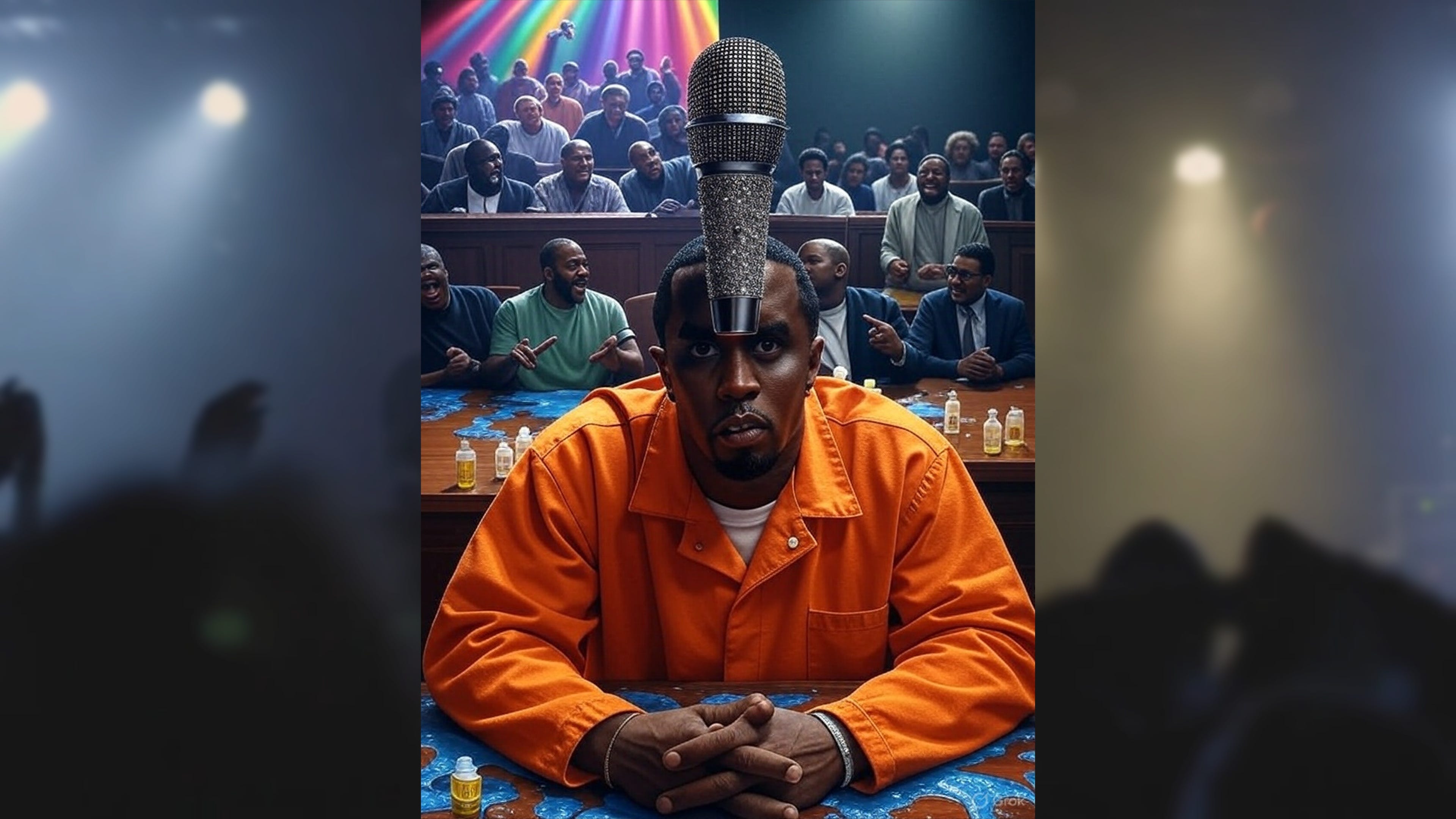
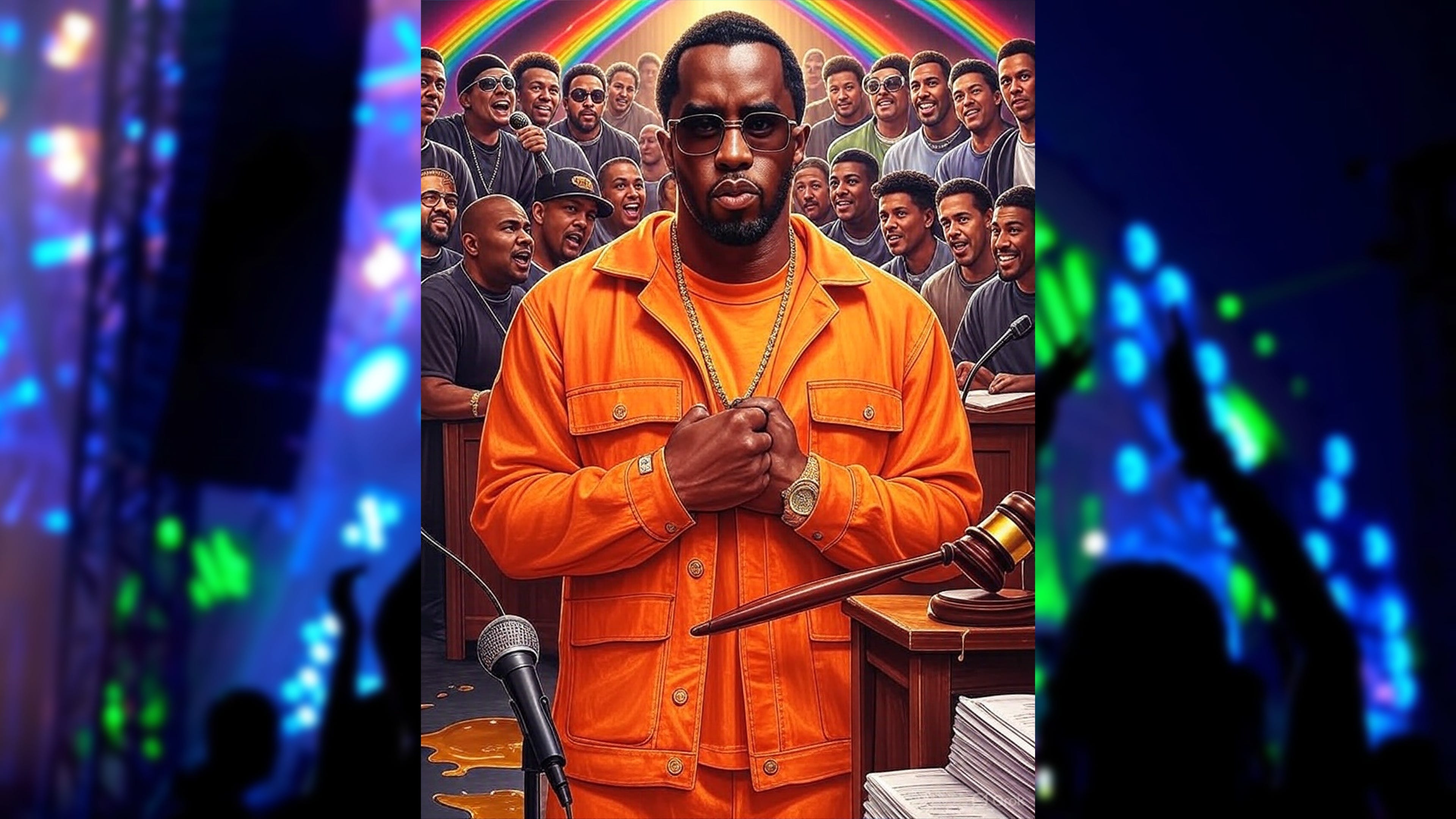
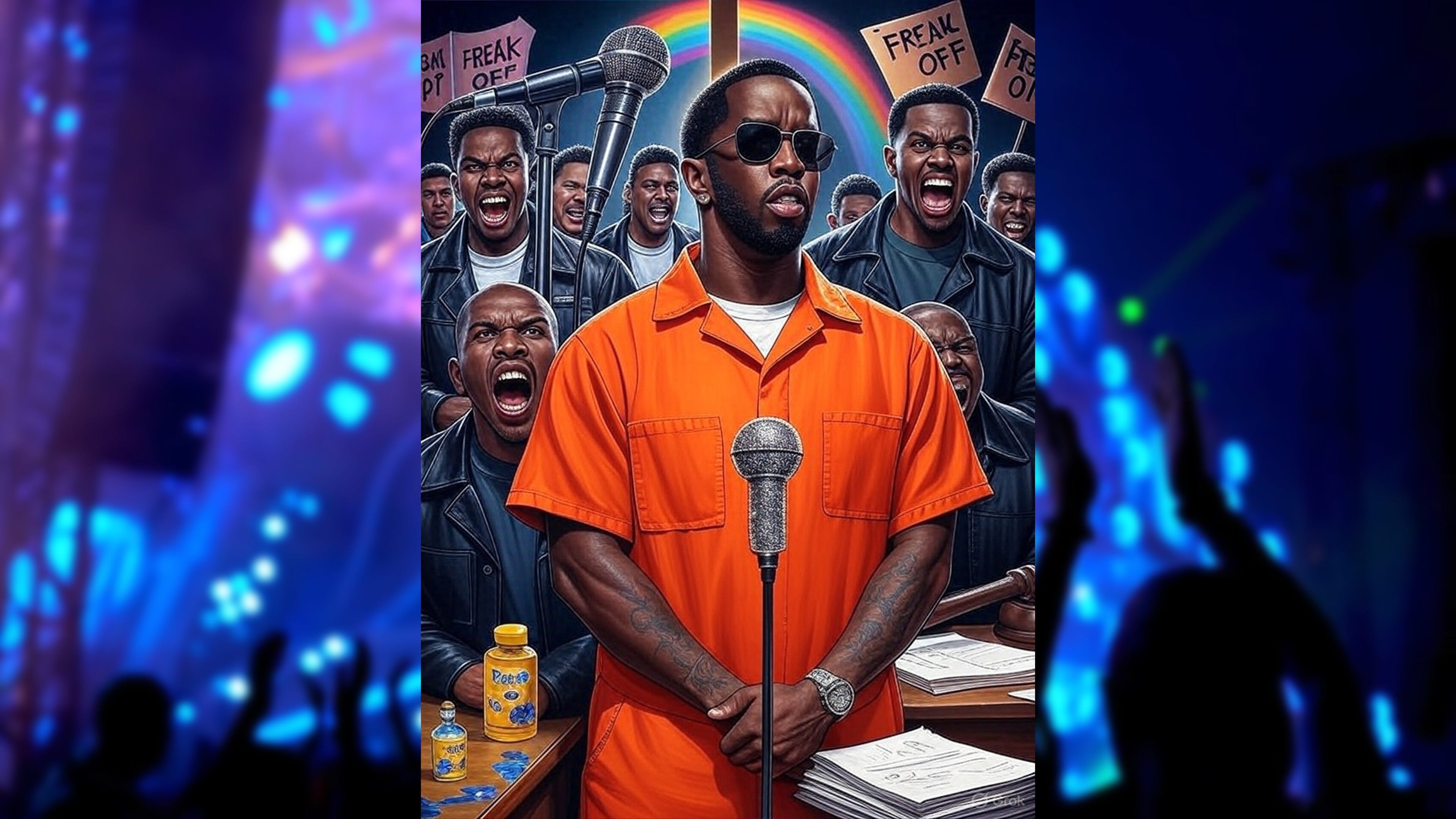
Sean Combs, known as P. Diddy, constructed a hip-hop empire through Bad Boy Records, shaping the 1990s and 2000s with chart-dominating anthems and a persona of unassailable masculinity. His music, alongside that of his Bad Boy cohort—The Notorious B.I.G., Mase, Black Rob, and others—projected tales of wealth, street credibility, and conquests over women, cementing Combs as a cultural titan. Yet, beneath this polished veneer of gangsta rap lies a concealed truth: the lyrics of Combs and his associates, laden with references to “bitches” and “hoes,” were not about women but about men, cloaking a secretive subculture within rap. This subculture, characterized by performative toughness masking alternative relationships, deceived millions of fans who rapped along, believing they celebrated heterosexual bravado. The 2025 federal trial of Combs, with its damning allegations of coercive “Freak Off” parties and criminal enterprises, has shattered this illusion, revealing Combs and his entourage as thespians who played gangsters while inhabiting a hidden world. Hits like I’ll Be Missing You and Hypnotize, once revered as tributes or boasts, now stand exposed as coded anthems of a subculture where male relationships, not female ones, were the true subject. The trial’s evidence—videos, drugs, and testimony—confirms that Combs was no gangsta mogul but a orchestrator of a deceptive performance, using Bad Boy’s music to veil his subcultural reality. This exposé examines how Combs’ music, parties, and trial unveil a rap world where lyrics misled fans, parties concealed illicit activities, and legal proceedings exposed a long-hidden truth, redefining the legacy of Bad Boy Records, its artists (and others), and hip-hop culture.
The subculture Combs led was not merely a musical phenomenon but a calculated act, with artists like The LOX, Black Rob, and Cassie playing roles in a grand theater. Their songs, filled with bravado, were a facade, their terms for women a misdirection for men within their circle. Fans, from urban youth to suburban listeners, embraced these tracks as anthems of toughness, unaware they were chanting about a subculture’s inner dynamics. The White Parties, attended by A-listers like Jay-Z and Beyoncé, and the secretive Freak Offs, detailed in court, were stages for this performance, where Combs’ public image clashed with private realities. The trial, with its focus on trafficking and coercion, has pulled back the curtain, showing Combs as a conductor of a subculture that thrived on deception. This analysis delves into the lyrical subterfuge of Bad Boy’s hits, the performative nature of Combs’ parties, the trial’s revelations, and the broader implications for rap’s authenticity, arguing that Combs’ career, and many others, was a masquerade of misdirection, now laid bare for all to see.
Part I: The Lyrical Deception of Bad Boy’s Hits
Bad Boy Records’ catalog, a cornerstone of 1990s hip-hop, is a tapestry of deception, with its hit songs masking a subculture where references to “bitches” and “hoes” denoted men, not women. Tracks like Mo Money Mo Problems (1997), Hypnotize (1997), and Can’t Nobody Hold Me Down (1997) topped Billboard charts, their lyrics celebrated as tales of female conquests and street dominance. Yet, these songs were coded anthems, their terms for women a veil for male relationships within a hidden rap subculture. In Mo Money Mo Problems, The Notorious B.I.G.’s line, “Bitches wanna see me in the limelight,” does not describe female admirers but men—romantic partners or prospects—vying for status in the subculture. Similarly, Mase’s verse in Can’t Nobody Hold Me Down, “Bitches be trippin’ on me, but I’m holdin’ it down,” targets men challenging his rise, not women, cloaked in gangsta bravado. These lyrics, delivered with swagger, misled fans who saw only the heterosexual narrative promoted by music videos featuring female models.
Big Poppa (1994), with Biggie’s seductive “To all the ladies in the place with style and grace,” is another deception, addressing men within the subculture, not women, despite its romantic tone. It’s All About the Benjamins (1997) continues this ruse, with Jadakiss’ “Bitches wanna see a nigga fall” and Lil’ Kim’s “Bitches get in line for the shine” referring to men—partners or adversaries—in the subculture, not female detractors. Craig Mack’s Flava in Ya Ear (1994), with “Bitches get stitches when they mess with the real,” targets male prospects, not women, maintaining the gangsta facade. Black Rob’s Whoa! (2000), with “Hoes wanna know, who’s that cat?” and The LOX’s Money, Power & Respect (1998), with “Bitches wanna see you fall,” follow suit, using “hoes” and “bitches” to denote men in their secretive world. Even Lil’ Kim’s No Time (1996), with “Bitches wanna hate, but I’m stackin’ my paper,” addresses male peers, her fierce delivery a cover for this truth.
These songs, certified platinum and revered as hip-hop classics, were a performance, their lyrics a deliberate misdirection. Fans, chanting along at concerts or in cars, believed they celebrated women and street life, but they were engaging with a subculture’s coded language. The music videos, filled with female imagery, reinforced this lie, ensuring the subculture remained hidden. Combs, as producer and artist, orchestrated this deception, using Bad Boy’s platform to project a gangsta image while concealing the true relationships among his artists. This lyrical subterfuge, sustained across decades, reveals a rap world where authenticity was sacrificed for performance, with Combs and his cohort playing roles to deceive their audience, leaving a legacy of misdirection now exposed by the trial’s revelations.
Part II: The White Parties and Freak Offs: Stages of Subcultural Performance
Combs’ parties—public White Parties and clandestine Freak Offs—served as the physical stages for the subculture that his music concealed, where the gangsta rap image gave way to a hidden reality. The White Parties, held from 1998 to 2009 in the Hamptons, Beverly Hills, and Miami, were lavish spectacles attended by celebrities, and participants, like Leonardo DiCaprio, Jay-Z, Usher, Justin Bieber, Russell Simmons, and Ashton Kutcher. Presented as celebrations of hip-hop’s success, these events were a facade, allowing Combs to play the mogul while masking the subculture’s activities. Khloé Kardashian’s description of a “butt naked” atmosphere at one party hints at a wild undercurrent, where the public image of glamour concealed a more secretive dynamic. These gatherings, with their all-white dress code and A-list guest lists, were performances, reinforcing Combs’ gangsta persona while hiding the truth of his subcultural world.
The Freak Offs, detailed in the 2024 federal indictment, were the subculture’s private domain, where the gangsta act was shed entirely. These drug-fueled sex parties, held in hotels and Combs’ residences, involved coerced performances, with Combs directing participants and recording them. The presence of male sex workers alongside female victims, facilitated by drugs like ketamine and ecstasy, exposed the subculture’s core—a world where relationships and dynamics contrasted sharply with the heterosexual bravado of Bad Boy’s music. The Freak Offs were not mere parties but orchestrated events where Combs and his associates lived out the subculture hinted at in their lyrics. The indictment’s evidence—1,000 bottles of baby oil, seized drugs, and hidden cameras—confirms that these gatherings were central to the subculture, a stark contrast to the public White Parties.
Both party types served Combs’ deception. The White Parties, with their celebrity allure, maintained his image as a gangsta icon, while the Freak Offs allowed the subculture to flourish in secret. Lyrics like “Bitches wanna roll with the team” from Bad Boy for Life (2001) take on new meaning in this context, reflecting the men who participated in these events, not the female groupies fans imagined. The subculture’s existence explains why Combs’ music used coded language—terms like “bitches” and “hoes” mirrored the secretive relationships at these parties, hidden from public view. Fans, unaware of this reality, attended concerts and bought albums, believing they celebrated a gangsta lifestyle, while Combs and his associates performed for their subcultural audience. The trial’s exposure of the Freak Offs has unveiled this duality, showing that Combs’ parties were not just celebrations but integral to a subculture that rap’s tough image concealed, leaving fans betrayed by the music they once revered.
Part III: The Trial: Unveiling the Subculture
The 2025 federal trial of Sean Combs, following his September 2024 arrest, has dismantled the gangsta rap facade he cultivated, exposing the subculture that his music and parties concealed. Charged with sex trafficking, racketeering conspiracy, and prostitution, Combs faces allegations of orchestrating Freak Offs as part of a criminal enterprise, using coercion, drugs, and recordings to control participants. Testimony from over 30 witnesses, including Casandra Ventura, who described enduring hundreds of these events, reveals a world far removed from the gangsta image of Bad Boy’s hits. A 2016 video showing Combs assaulting Ventura, dragging her in a hotel hallway, underscores his violent dominance, contradicting the cool mogul persona fans embraced. This trial, with closing arguments concluded on June 27, 2025, confirms that Combs was not a gangsta but a conductor of a subculture in which he abused his power and physically assaulted women and men.
Male figures in the trial, such as Daniel Phillip, a stripper who performed at Freak Offs, and anonymous staff who facilitated these events, embody the subculture’s reach. Phillip’s testimony about performing for Combs while Ventura participated reveals the male dynamics hinted at in songs like It’s All About the Benjamins, where “bitches” referred to men in the subculture. Staff members, tasked with procuring sex workers and drugs, were complicit in this world, enabling the subculture to thrive behind Combs’ gangsta facade. The trial’s evidence—seized drugs, hidden cameras, and thousands of bottles of baby oil—paints a vivid picture of the Freak Offs as the subculture’s epicenter, where the relationships coded in Bad Boy’s lyrics were lived out. These revelations connect directly to tracks like Whoa!, where “hoes” denoted men, not women, aligning with the trial’s exposure of male participants in Combs’ private world.
The trial’s implications extend beyond Combs, indicting the authenticity of rap itself. Fans who rapped along to Hypnotize or Can’t Nobody Hold Me Down, believing they celebrated women and street life, were chanting about a subculture’s men—partners, prospets, or associates. The music videos, with their female imagery, were a deliberate misdirection, ensuring the subculture remained hidden. Combs’ associates, from The Notorious B.I.G. to The LOX, were part of this performance, their gangsta personas a lie that misled millions. The trial has exposed this deception, showing that Bad Boy’s music was not a reflection of street reality but a coded narrative of a subculture, with Combs as its orchestrator. As the jury deliberates, the truth is clear: Combs’ career was a theatrical act, and his trial has unveiled the subculture that rap’s tough image concealed, leaving fans to grapple with the betrayal of their musical heroes.
Part IV: The Deceived Audience and Rap’s Legacy
The legacy of Sean Combs and Bad Boy Records is one of deception, with millions of fans betrayed by music that masked a subculture where “bitches” and “hoes” referred to men, not women. Tracks like Big Poppa, No Time, and Money, Power & Respect were anthems for a generation, their lyrics embraced as tales of female conquests and gangsta life. Yet, these songs were a performance, their terms for women a code for male relationships within a hidden rap subculture. Fans, from urban concertgoers to suburban listeners, rapped along, believing they celebrated toughness, unaware they were chanting about men—partners or prospects—in Combs’ secretive world. This deception, sustained across Bad Boy’s platinum-selling catalog, has been exposed by the 2025 trial, redefining rap’s authenticity and leaving its audience reeling.
The subculture’s impact is evident in how fans consumed Bad Boy’s music. When listeners sang Mo Money Mo Problems’ “Bitches wanna see me in the limelight” or Bad Boy for Life’s “Bitches wanna roll with the team,” they thought they echoed gangsta bravado, not a subculture’s dynamics. Music videos, featuring female models, reinforced this lie, ensuring fans saw only the heterosexual narrative Combs crafted. Artists like Notorious B.I.G, Mase, and Black Rob played their roles, their swagger a facade that hid the truth of their lyrics. Even collaborators like Mary J. Blige, with Real Love, and Jay-Z, with I Need a Girl (Part One), contributed to this narrative, their songs masking the subculture Combs orchestrated. The fans’ ignorance was Combs’ triumph, allowing him to maintain his gangsta image while living a different reality.
The trial’s revelations—Freak Offs, coercion, and Combs’ violent control—have shattered this illusion, showing that rap’s tough image was a theatrical act. The presence of male participants in the Freak Offs, as testified by witnesses like Daniel Phillip, mirrors the male references in Bad Boy’s lyrics, confirming that “bitches” and “hoes” were men in the subculture. This exposure has left fans betrayed, their connection to Bad Boy’s music tainted by the realization that they celebrated a lie. The subculture’s secrecy, sustained by Combs’ parties and music, was a betrayal of rap’s authenticity, with artists posing as gangstas while engaging in a hidden world. As Combs faces a potential life sentence, the broader implications for rap are clear: its legacy as a voice of the streets has been undermined by a subculture that used music to deceive, leaving fans to question the genre’s truth.
Conclusion: That’s a Rap.
The exposure of hip-hop’s underlying culture through Sean Combs’ 2025 trial marks a pivotal moment in the music industry, revealing a deceptive world in which Bad Boy Records’ music concealed male relationships under the pretense of female conquests. Hits like I’ll Be Missing You, Hypnotize, and It’s All About the Benjamins were not anthems of gangsta life but coded narratives of a subculture where “bitches” and “hoes” referred to men—partners, prospects, or associates. Combs, alongside artists like The Notorious B.I.G., Mase, Black Rob, and The LOX, performed as tough gangsters, their lyrics a deliberate misdirection that fooled fans into believing they celebrated women. This deception, sustained by music videos and public personas, was a theatrical act, with Bad Boy’s platinum-selling catalog serving as the soundtrack to a hidden rap subculture.
The White Parties and Freak Offs were the stages for this performance, where Combs’ gangsta image clashed with the subculture’s reality. The White Parties, attended by A-listers, projected glamour, while the Freak Offs, with their coerced performances and male participants, revealed the subculture’s core, as exposed by the trial’s evidence—drugs, cameras, and testimony. Witnesses like Daniel Phillip, who performed at Freak Offs, and staff who facilitated them, embody the subculture hinted at in songs like Whoa! and No Time, where male dynamics were cloaked in gangsta bravado. The trial, with its focus on trafficking and coercion, has confirmed that Combs was no mogul but a conductor of a subculture, using Bad Boy’s music to deceive millions.
The fans, who rapped along to Big Poppa or Can’t Nobody Hold Me Down, were the ultimate victims, embracing a lie that tainted rap’s authenticity. Their connection to Bad Boy’s music, once a symbol of street credibility, has been shattered by the realization that they celebrated a subculture’s men, not women. This betrayal extends beyond Combs, implicating rap’s broader legacy as a genre that allowed such deception to thrive. The subculture’s secrecy, sustained by Combs’ parties and lyrics, has left fans questioning the truth of the music they loved. As Combs faces a potential life sentence, the implications are profound: rap’s tough image was a performance, and Bad Boy’s legacy is one of misdirection, not authenticity.
The exposure of this subculture redefines hip-hop’s history, casting Combs and his associates as thespians who played gangstas while living a different reality. The trial’s revelations, from Freak Offs to coded lyrics, have unveiled a rap world where deception was the currency, and fans were unwitting participants. Bad Boy’s music, once a beacon of the genre, now stands as a monument to this subculture, its hits a reminder of a truth hidden in plain sight. The legacy of Combs and his empire is not one of triumph but of betrayal, a cautionary tale of how rap’s authenticity was sacrificed for a subculture’s performance, leaving a generation to reckon with the music they once revered.
Summary
This analysis explores the evolution of hip-hop through a recent legal case, reexamining iconic tracks as potential reflections of a concealed subculture. It invites critical reflection on the genre’s authenticity, unveiling layers of performance that challenge long-held perceptions, reshaping our understanding of its cultural and historical significance.
#SeanCombs #PDiddy #BadBoyRecords #HipHopCulture #TrialRevelations
Tags: Sean Combs, P Diddy, Bad Boy Records, hip-hop, subculture, trial, 1990s music, 2000s music, lyrical analysis, cultural impact
Watch video on X, Rumble, Odysee, BitChute, Brighteon, Facebook, Gab, Gettr, Minds, or realfreenews.com