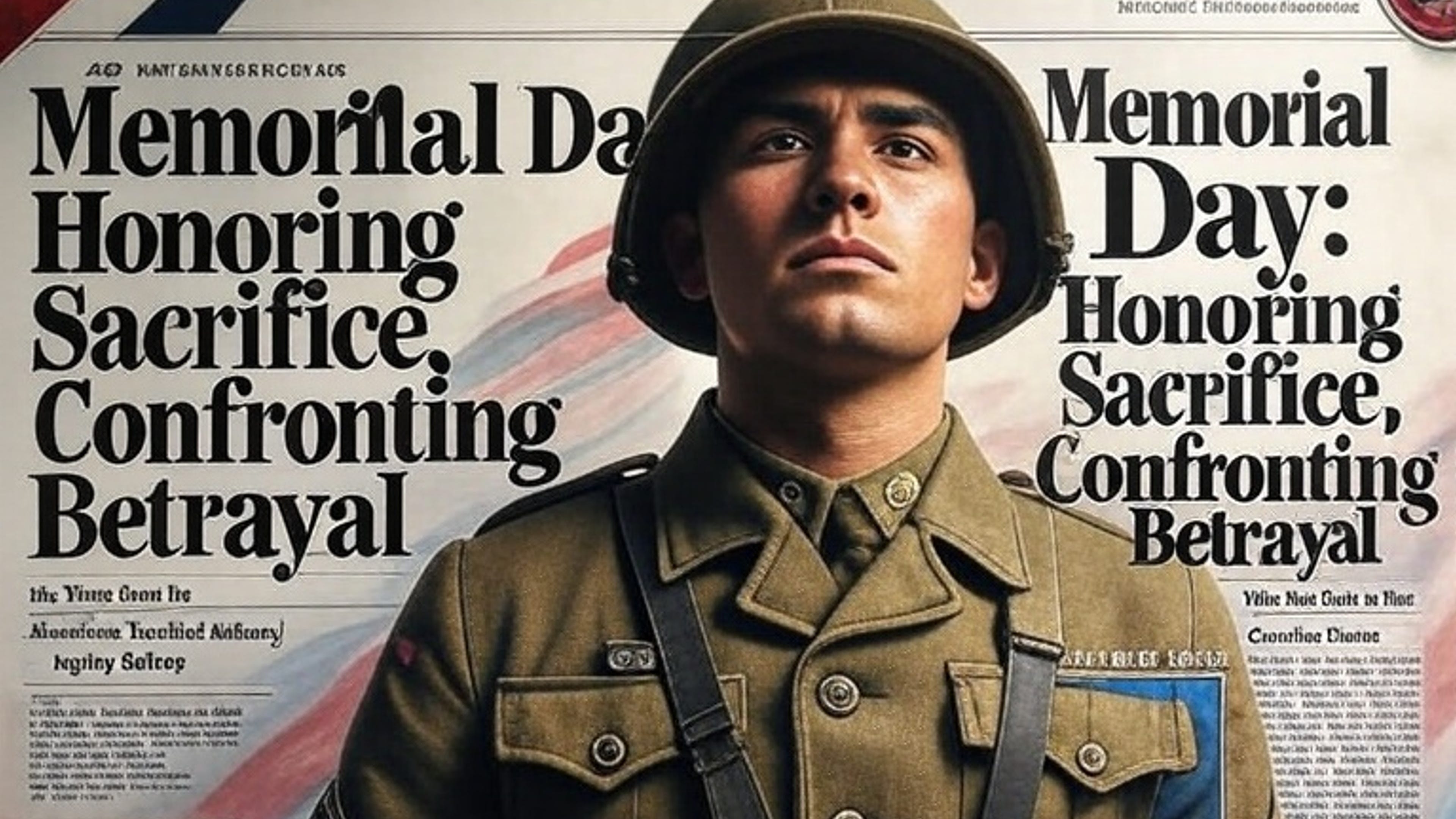
Memorial Day, observed on the last Monday of May, honors the American servicemen and women who died in military service. Yet, it also lays bare the treachery of corrupt, callous leaders—presidents, politicians, and generals—who sent young men, often teenagers, into avoidable conflicts driven by stupid planning, ulterior motives, and suspicious circumstances. The American Revolution stands alone as a necessary fight for liberty, led brilliantly by General George Washington against insurmountable odds. Every war since, sparked by questionable pretexts or outright deception, reflects a legacy of incompetence and betrayal that Memorial Day demands we confront.
The American Revolution: A Noble Triumph Against Overwhelming Odds
The American Revolution (1775–1783) was a righteous, necessary struggle to secure independence from British oppression, pitting the fledgling colonies against the world’s most formidable military. Facing crippling taxes, denied representation, and British garrisons, the colonists had no choice but to rebel. General George Washington’s leadership was nothing short of extraordinary, blending strategic brilliance with battlefield valor. His innovative tactics—guerrilla ambushes, hit-and-run raids, and calculated retreats—exploited British weaknesses, as seen in the 1776 Trenton raid, where his daring Delaware River crossing captured 900 Hessians with near-zero losses. The 1777 Saratoga campaign, orchestrated through Washington’s coordination with General Horatio Gates, secured French alliance, showcasing American resolve. His personal courage at Princeton, rallying troops under cannon fire, and his morale-building presence at Morristown’s brutal winter inspired a ragtag army of farmers, merchants, and militias. This diverse American military, bolstered by local knowledge and fierce determination, gave the colonies a tactical edge despite Britain’s superior numbers and discipline.
Total victory in every instance was impractical against such a juggernaut. The American military’s decentralized structure and undertrained soldiers contributed to both successes, like the guerrilla raids in the Carolinas, and defeats, such as the 1776 loss of New York City, where coordination faltered. Minor errors occurred: the Battle of Long Island saw Washington’s forces outmaneuvered, losing 2,000 men, due to systemic issues like inadequate scouting rather than personal failure. The Valley Forge winter of 1777–78, with 2,500 deaths from disease, reflected logistical challenges under General Nathanael Greene, compounded by unforeseen difficulties—limited funds, British blockades, and militia desertions. Forward-thinking strategies, like expanded spy networks or standardized skirmisher units, could have saved lives, but these lapses were understandable given the revolution’s chaotic start. Washington’s genius and the colonists’ resolve triumphed, though smarter planning could have spared thousands.
The Civil War: A Catastrophe of Ineptitude
The Civil War (1861–1865), which claimed over 600,000 American lives, was a preventable disaster born of political cowardice and military stupidity. Presidents James Buchanan and Abraham Lincoln failed to avert division, with Buchanan’s inaction emboldening Southern secession and Lincoln’s rigid commitment to the Union rejecting compromise. Multiple paths could have avoided this catastrophe. Diplomatic conferences, like those proposed by Senator John Crittenden, might have crafted a federal compromise on slavery’s expansion. Economic reforms, such as subsidies for voluntary emancipation, could have eroded slavery gradually, as seen in British colonies. Congressional action to strengthen fugitive slave laws or protect Northern interests might have delayed secession. International arbitration, leveraging European anti-slavery sentiment, could have pressured a peaceful resolution. Instead, leaders dithered, plunging the nation into a war that obliterated communities, wrecked economies, and sowed enduring discord. The human toll—620,000 dead, millions wounded—devastated families, while infrastructure losses, like burned Southern cities and railroads, crippled recovery for decades. The national trauma, from divided loyalties to lost generations, stunted America’s potential, making the war’s necessity a cruel farce.
Generals compounded the tragedy. George McClellan’s cowardly refusal to engage at Antietam, despite a 2:1 advantage, squandered 22,000 casualties in a day. Ambrose Burnside’s suicidal charge at Fredericksburg, ignoring Confederate entrenchments, killed 12,600 Union troops. General Ulysses S. Grant’s reckless assaults at Shiloh, misjudging enemy strength, cost 13,000 Union casualties. These boneheaded decisions, driven by ego and incompetence, turned a preventable conflict into a bloodbath.
The Spanish-American War: A Blunder of Military Incompetence
The Spanish-American War: A Pointless Disaster
The Spanish-American War (1898), under President William McKinley, was a pointless exercise, justified by the USS Maine’s explosion—likely accidental, not Spanish sabotage. Over 2,500 Americans died, mostly from disease, due to generals’ egregious failures. General William Shafter’s boneheaded oversight of Cuban camps, lacking clean water, tents, or medical supplies, left 70% of his force sick with yellow fever and malaria. His chaotic assault at San Juan Hill, ignoring reconnaissance, led to 1,400 casualties from preventable ambushes. General Nelson Miles’ Puerto Rico campaign, hampered by his refusal to coordinate with naval support, stranded troops without food or ammunition, prolonging engagements. General Rufus Shafter’s failure to secure supply lines left soldiers eating spoiled rations, causing widespread dysentery. These stupid decisions, rooted in logistical neglect and overconfidence, wasted lives for territorial gains that served no national purpose.
World War I: A Wasteful European Slaughter
World War I (1917–1918), entered under President Woodrow Wilson, cost 116,000 American lives in a conflict irrelevant to U.S. security. Wilson’s idiotic decision to sail ships through German U-boat zones, when safer routes existed, provoked the Lusitania’s sinking, killing 128 Americans. The Zimmerman Telegram—a 1917 German proposal to Mexico for an anti-U.S. alliance, offering lost territories—was dismissed by Mexico but exaggerated to justify war. General John Pershing’s boneheaded trench warfare tactics, ignoring Allied lessons, led to 26,000 deaths in the Meuse-Argonne Offensive. His refusal to integrate U.S. troops with seasoned Allied units caused coordination failures, as at St. Mihiel, where 7,000 Americans died from misdirected artillery. Wilson’s globalist vision and Pershing’s arrogance sacrificed lives for no American gain.
World War II: A War Marred by Stupidity and Misplaced Priorities
World War II (1941–1945), costing over 400,000 American lives, was plagued by leadership failures and questionable priorities. The Pearl Harbor attack, which triggered U.S. entry, was suspiciously foreseeable due to ignored warnings, with intelligence hinting at Japanese plans overlooked by Admiral Husband Kimmel and General Walter Short, leaving defenses unprepared. In the Pacific, General Douglas MacArthur’s boneheaded failure to secure the Philippines, despite hours’ warning, led to the Bataan Death March, killing 10,000. Admiral Chester Nimitz’s misjudgment at Midway, deploying vulnerable torpedo bombers, cost 150 aircraft and 300 lives, nearly losing the battle. Admiral William Halsey’s reckless pursuit of Japanese decoys at Leyte Gulf, leaving the San Bernardino Strait unguarded, risked a catastrophic defeat, saved only by desperate destroyer actions. These stupid decisions prolonged Pacific campaigns, wasting lives.
America’s European involvement was unnecessary. Hitler’s declaration of war did not require a response; President Franklin D. Roosevelt’s two-front strategy diverted resources from Pacific retribution. Withdrawing U.S. ships and halting Lend-Lease aid would have left Europe to its fate. Instead, generals like Dwight Eisenhower and Omar Bradley launched suicidal operations. D-Day’s Normandy invasion, costing 29,000 lives, ignored flanking options. General Courtney Hodges’ failure to secure supply lines triggered the Battle of the Bulge, killing 19,000. General Mark Clark’s Italian stalemate wasted thousands in trench-like warfare. Some argue a German victory might have yielded a stronger Europe today. Roosevelt’s terrible diplomacy, tainted by financial interests, sent Americans to die in Europe’s quagmire. Focusing on the Pacific and U.S. borders would have saved lives.
The Korean and Vietnam Wars: Pointless Escalations with Suspicious Roots
The Korean War (1950–1953) and Vietnam War (1955–1975), under Presidents Harry Truman and Lyndon B. Johnson, were senseless, costing 36,000 and 58,000 American lives. Korea’s escalation followed North Korea’s invasion, but suspicious U.S. intelligence failures ignored Chinese troop buildups, as reported by defectors months prior. General Douglas MacArthur’s boneheaded march to the Yalu River provoked China’s entry, killing 2,800 at Chosin Reservoir. General Matthew Ridgway’s static defenses at Pork Chop Hill, costing 1,500 lives for a meaningless outpost, achieved nothing. The war’s vague goal—containing communism—produced no victory, only a divided Korea.
Vietnam was worse. The Gulf of Tonkin incident, based on dubious radar signals and alleged attacks, was inflated to justify escalation, with declassified reports revealing U.S. naval provocations. General William Westmoreland’s idiotic search-and-destroy missions, like Hamburger Hill’s 400 deaths for an abandoned hill, epitomized futility. General Creighton Abrams’ Vietnamization, rushed and underfunded, collapsed South Vietnamese defenses, prolonging the war. Suspicious escalations, like CIA-orchestrated coups against Ngo Dinh Diem, destabilized allies. The war’s murky objective—stopping communism—yielded no outcome, only 58,000 dead and a fractured America. These wars, driven by globalist and corporate interests, betrayed soldiers for no gain.
The Post 9/11 Wars: Suspicious Origins and Futile Occupations
The Afghanistan (2001–2021) and Iraq (2003–2011) wars, under Presidents George W. Bush, Barack Obama, Donald Trump, and Joe Biden, were launched amid suspicious 9/11 circumstances, costing 6,800 American lives. Missed warnings—FBI reports of al-Qaeda flight training, ignored CIA alerts, unheeded airport security flags, and air defense delays—suggest gross negligence or deliberate oversight. General Tommy Franks’ boneheaded Iraq plan, using 150,000 troops instead of 400,000, fueled insurgency, killing 4,400. General Stanley McChrystal’s restrictive rules in Afghanistan—no night raids, limited airstrikes—handcuffed troops, increasing deaths. General David Petraeus’ surge, costing 1,000 lives, gained fleeting ground. General Mark Milley’s idiotic Kabul withdrawal left 13 service members dead in a bombing due to unsecured perimeters. Soldiers faced absurd constraints: court-martials for firing on insurgents near civilians, bans on destroying poppy fields fueling Taliban funds, and reconstruction aid funneled to corrupt warlords. No victory emerged—Afghanistan fell to the Taliban, Iraq birthed ISIS—serving defense contractors, not America.
Leadership Failures: A Legacy of Betrayal and Treachery
The American Revolution, though necessary, exposed minor flaws dwarfed by the treachery of later wars. Presidents, from Lincoln to Roosevelt to Bush, launched conflicts under suspicious pretexts—false flags like the Maine, Gulf of Tonkin, or questionable 9/11 narratives—serving bankers, oil tycoons, or globalist agendas. Generals failed spectacularly: McClellan’s cowardice, Shafter’s neglect, Pershing’s obstinacy, MacArthur’s arrogance, Nimitz’s miscalculations, Westmoreland’s delusions, and Milley’s negligence reflect callous disregard. The military’s bloated bureaucracy enabled this betrayal, prioritizing profits over lives.
These leaders’ cavalier attitude—sending young men to die in poorly planned wars—reveals a chilling pattern: many conflicts were sparked by corrupt, potentially traitorous figures. The Maine’s explosion, Tonkin’s fabrications, Pearl Harbor’s ignored warnings, and 9/11’s missed signals suggest deliberate negligence, costing millions of lives for ulterior motives—financial gain, geopolitical dominance, or corporate enrichment. These decisions have weakened America, leaving borders porous and trust eroded. The callous nature of these endeavors, treating soldiers as expendable, demands accountability.
Memorial Day’s Profound Lesson
Memorial Day honors the brave but indicts the corrupt, conniving leaders who betrayed them. The American Revolution, though noble, could have been smarter. Every war since was an avoidable tragedy, driven by presidents, politicians, and generals whose boneheaded decisions—McClellan’s paralysis, Nimitz’s Midway errors, Milley’s evacuation failure—piled bodies for profit or power. Suspicious triggers, from the Maine to 9/11, reveal a pattern of deceit. These young men, trusting their leaders, died for banker schemes and globalist plots.
The same treacherous leaders—presidents, politicians, generals, and the military’s corrupt bureaucracy—rule today. Trump’s stalled Afghanistan exit and Biden’s botched withdrawal, both retaining inept generals, prove the system’s rot endures. Memorial Day exposes this cycle: we mourn heroes who didn’t need to die, killed by a machine thriving on conflict. It demands we reject these terrible leaders and their deceitful plans, ensuring no more young men die for lies. Until we dismantle this corrupt structure, Memorial Day will grow heavier with betrayed names.
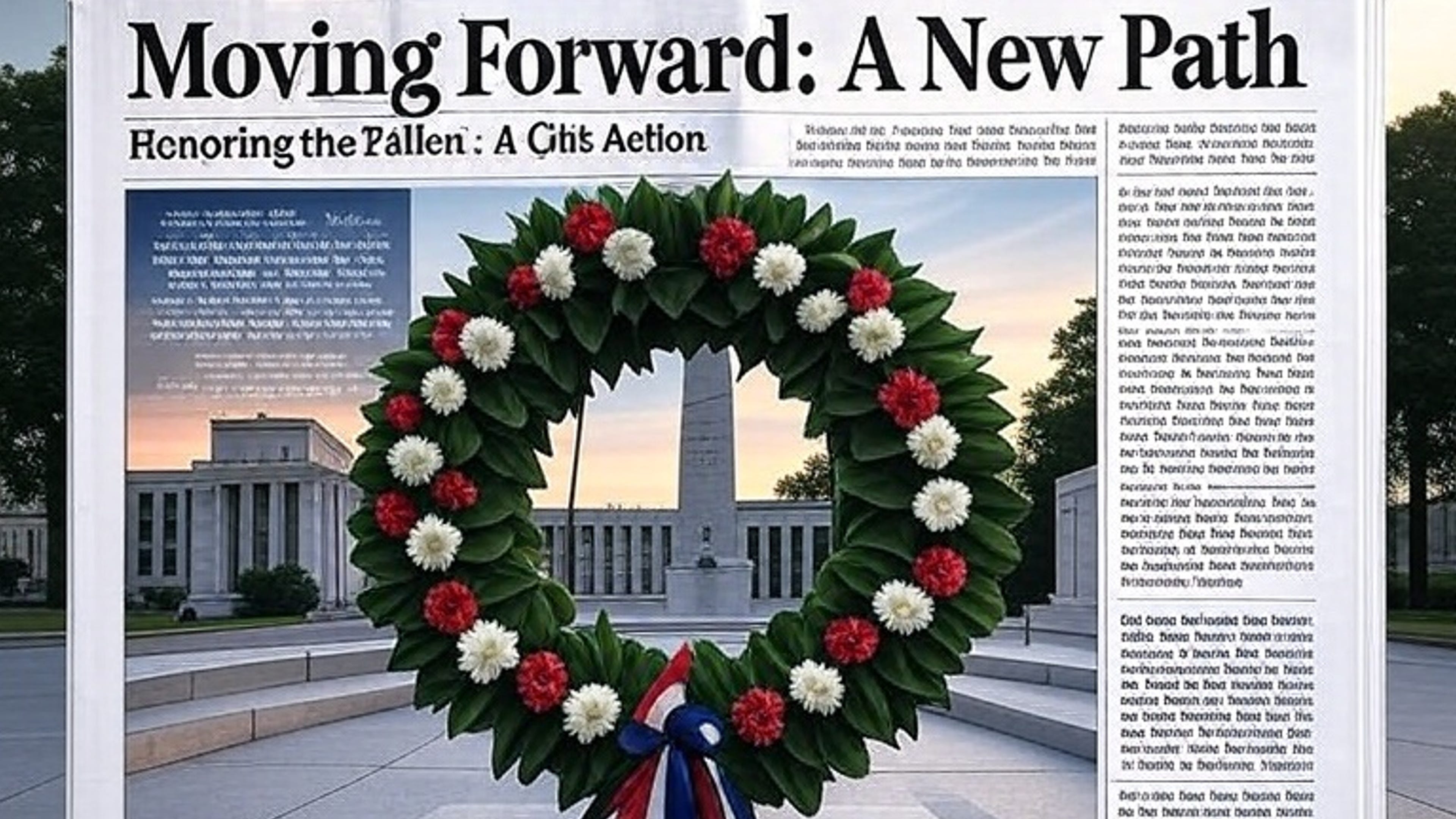
Moving Forward: A New Path
To honor the fallen, America must end this cycle of betrayal. We must prioritize diplomacy through strength, deterring threats without reckless wars. Strategic restraint avoids other nations’ conflicts, preserving our strength. When action is unavoidable, saturate strategic annihilation—decisive, overwhelming force—must replace occupations that bleed lives. Above all, border security is paramount: protecting our people and borders supersedes foreign entanglements.
Memorial Day is a call to action. We must hold accountable the corrupt leaders who have squandered lives for centuries and still do so. By electing leaders who value diplomacy, restraint, and decisive action—and by purging the military’s self-serving bureaucracy—we can ensure future Memorial Days honor fewer fallen, sacrificed only for causes as noble as the Revolution. Let this day ignite a commitment to a stronger, safer America, where no young man dies for the treachery of terrible leaders.
Summary
Memorial Day unveils a haunting truth: brave soldiers, often young, died in wars marred by deceit and incompetence. From questionable conflicts to corrupt leadership, their sacrifices demand accountability. This reflection ignites a call for change—honoring the fallen by forging a future free from betrayal, with strength and strategic wisdom.
#MemorialDayTruth #HonorTheFallen #EndWarBetrayal #LeadershipAccountability #AmericanRevolutionLegacy
Tags: Memorial Day, American Revolution, war betrayal, corrupt leadership, military reform
Watch video on X, Rumble, Odysee, BitChute, Brighteon, Facebook, Gab, Gettr, Minds, or realfreenews.com