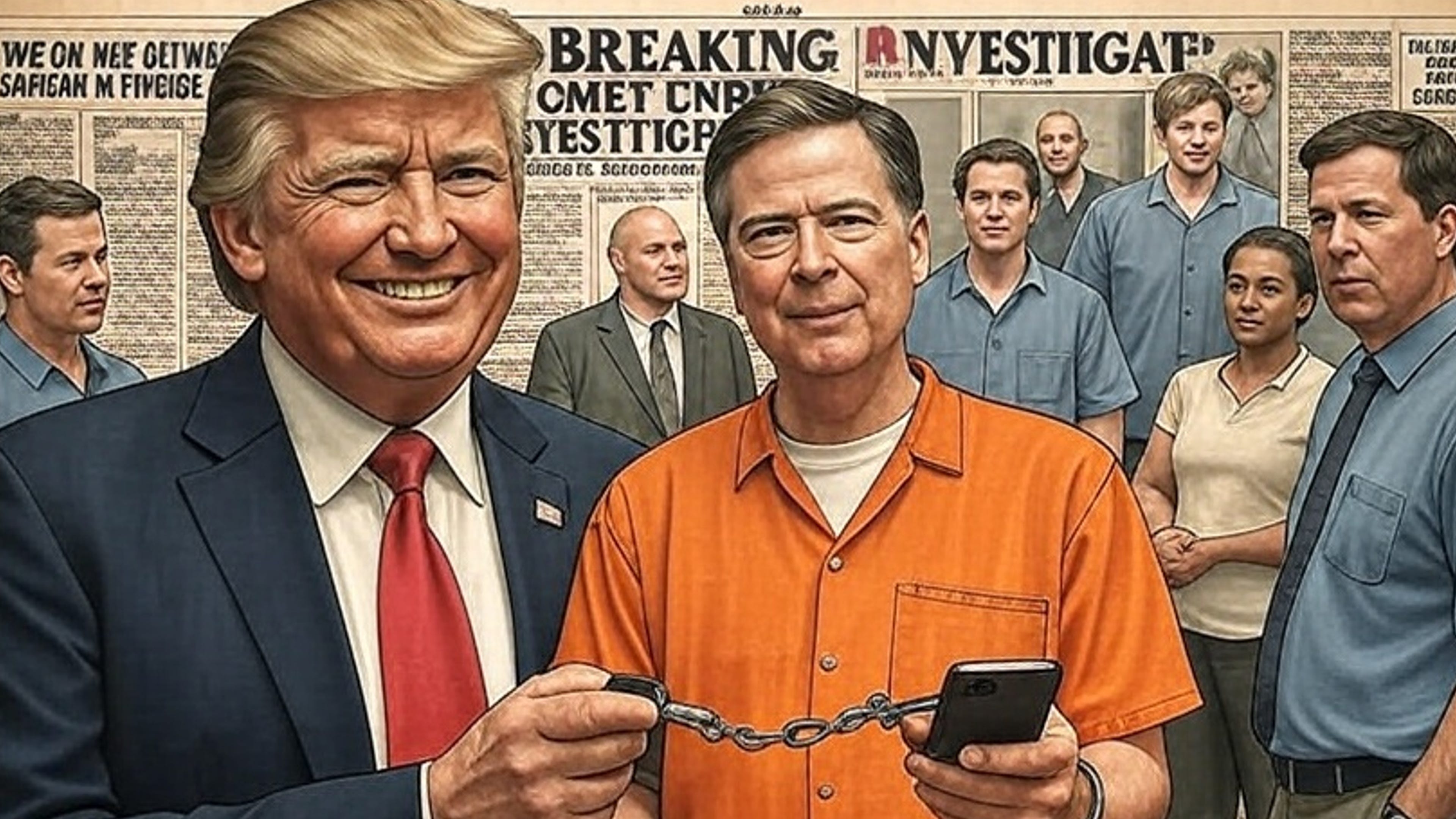
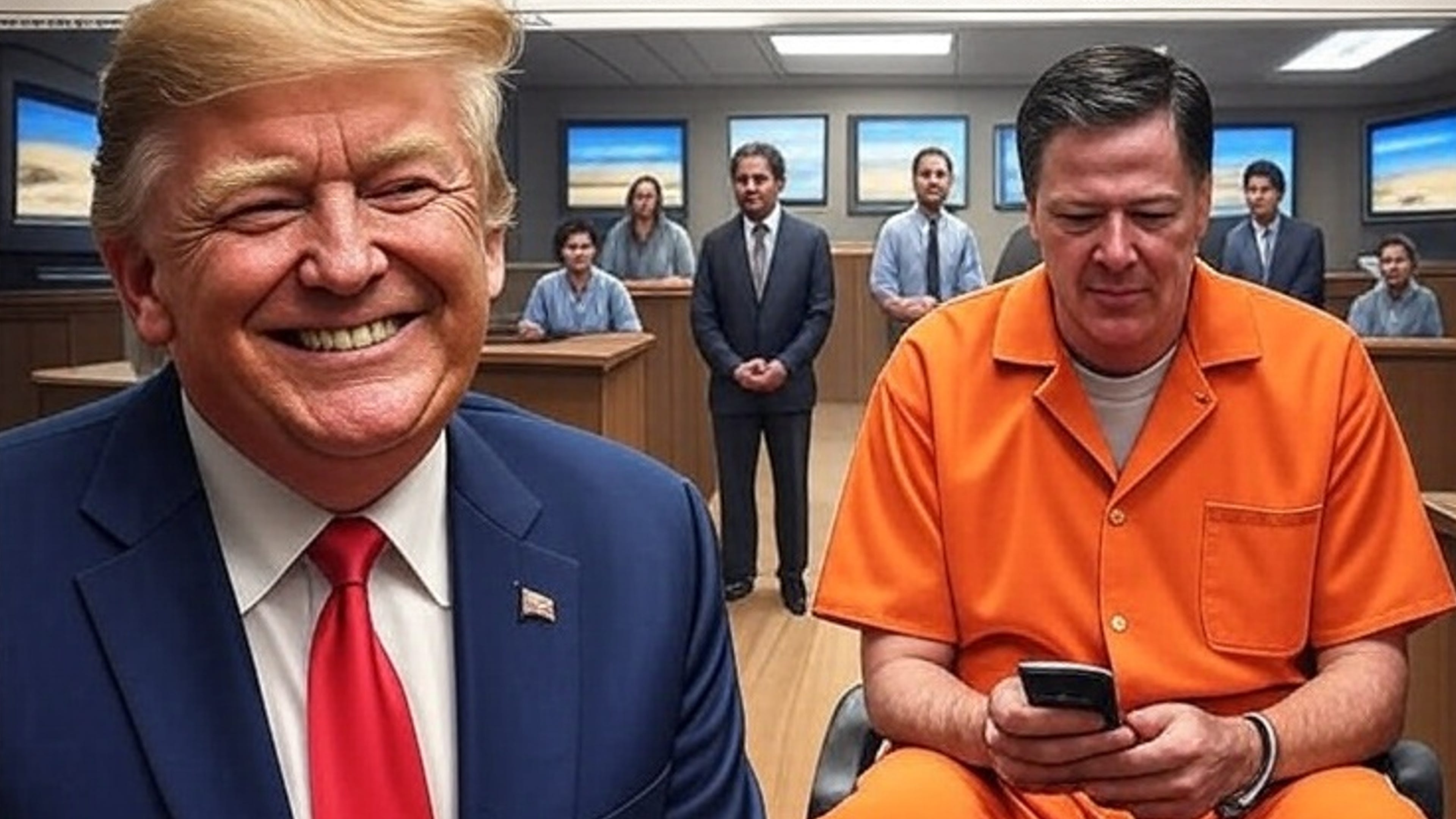
On May 15, 2025, James Comey, former Director of the Federal Bureau of Investigation, posted a social media image of seashells arranged to spell “8647,” a clear and intentional signal to assassinate President Donald Trump, the 47th President of the United States. Far from an innocent act, this post by a career opportunist with a history of abusing power for personal and networked criminal gain was a calculated provocation. While ordinary Americans, such as Douglass Mackey, have faced severe prosecution for humorous or provocative social media posts that posed no real threat, Comey’s overt threat has, as of May 17, 2025, resulted only in Secret Service questioning. This article argues for the immediate and comprehensive application of federal law against Comey and his associates, highlighting the stark injustice of a system that punishes citizens for lighthearted memes while allowing a corrupt former official to evade accountability for a direct call to violence.
The “8647” Post: A Calculated Call to Violence
Comey had countless options for his day on May 15, 2025, yet he chose to post an Instagram image of seashells meticulously arranged to spell “8647,” a coded message combining “86” (slang for “kill” or “eliminate”) and “47” (Trump’s presidential designation). The deliberate nature of this act is evident in its precision and Comey’s swift deletion of the post following backlash from Trump’s supporters and officials, including Donald Trump Jr. and Tulsi Gabbard, indicating awareness of its incriminating implications. Comey’s extensive career in law enforcement, including his role as FBI Director from 2013 to 2017, U.S. Attorney for the Southern District of New York, and Deputy Attorney General, provided him with deep knowledge of coded communication. The term “86” is well-known in law enforcement as a synonym for elimination, and “47” directly references Trump, particularly given Comey’s documented hostility toward him since his 2017 dismissal.
This post was not a misunderstanding or artistic expression—it was a public incitement to murder the President, broadcast to Comey’s broad social media audience. His expertise in threat analysis and history of leveraging power for personal gain eliminate any claim of ignorance. Comey likely anticipated he could deflect accountability by framing the post as ambiguous, but its intent is unmistakable: a dangerous signal that requires an immediate and robust legal response.
A Glaring Double Standard: Citizens Prosecuted for Humorous Memes, Comey Shielded
The federal government’s inconsistent application of justice is starkly evident when comparing Comey’s treatment to the prosecutions of ordinary Americans for humorous social media posts that posed no genuine threat. The following cases illustrate how citizens have been targeted for lighthearted or satirical content, in sharp contrast to the leniency afforded Comey’s explicit threat:
Douglass Mackey: Mackey, a Trump supporter, was arrested in 2021, convicted in 2023, and sentenced to seven months in prison for 2016 memes that humorously suggested Democrats could vote for Hillary Clinton by texting. The FBI and Department of Justice labeled this as election interference, a charge criticized as politically motivated, especially given Comey’s influence over the FBI’s culture during his tenure. Mackey’s memes were clearly satirical, yet he faced life-altering consequences.
Daniel McMahon: In 2019, McMahon posted a meme featuring a burning cross alongside threats against a Black activist running for office in Virginia. Intended as a provocative joke within alt-right circles, the meme led to his arrest by the FBI and prosecution by the DOJ for cyberstalking and bias-motivated interference with a candidate. He was sentenced to over three years in prison in 2020. While the meme’s content was offensive, it was not a direct call to violence like Comey’s post.
Florida Teenager (2016): A Florida teenager was arrested for a 2016 meme mocking Hillary Clinton, which authorities deemed inflammatory but was intended as humor. Local law enforcement, with reported FBI involvement, pursued charges, and the teen faced juvenile penalties or jail time. The meme’s specifics are vague, but its comedic intent contrasts sharply with Comey’s lethal message.
Anthony Comello: In 2019, Comello, a New York man, posted memes on social media promoting QAnon conspiracy theories, including humorous images mocking political figures like Nancy Pelosi. While not explicitly threatening, the FBI investigated him as part of a broader probe into QAnon-related activities. Comello was arrested in connection to a separate crime (a mob-related killing), but his memes were cited as evidence of extremist intent, contributing to a two-year sentence in 2021. The memes were satirical, yet they drew federal scrutiny.
Cameron Shea: In 2020, Shea, a Washington state resident, posted memes as part of a neo-Nazi group’s online campaign, including humorous images ridiculing political opponents and minorities. The FBI investigated, and the DOJ charged him with conspiracy to commit cyberstalking and hate crimes. Shea was sentenced to three years in prison in 2021. The memes were meant to provoke laughter within his group, not to incite violence, unlike Comey’s targeted threat.
These cases demonstrate a pattern of aggressive prosecution against citizens for humorous or satirical posts, often resulting in incarceration or severe penalties. In contrast, Comey’s “8647” post—a direct and unambiguous call to assassinate the President—has, as of May 17, 2025, led only to a Secret Service interview in Washington, D.C. This disparity underscores a systemic failure: a corrupt former official like Comey, who pursued power to advance personal and networked criminal endeavors, appears to benefit from leniency, while regular Americans face the full brunt of federal authority for lighthearted memes. The law, particularly 18 U.S.C. § 871, which criminalizes threats against the President with up to five years in prison, must be applied to Comey with the same rigor used against Mackey, McMahon, and others, ensuring accountability for a far graver offense.
Comey’s Network: A Call for Thorough Investigation
Comey’s actions likely involved coordination, and his extensive network—cultivated through years of exploiting law enforcement roles—demands comprehensive scrutiny. As FBI Director, U.S. Attorney, and Deputy Attorney General, Comey built connections with law enforcement officials, political operatives, and individuals linked to criminal activities through investigations or informants. His current roles as a Columbia Law School professor and media commentator maintain these ties, potentially including anti-Trump extremists or criminal elements who might act on a signal like “8647.” The post’s deliberate construction suggests possible collaboration, perhaps in its design, timing, or dissemination.
The Secret Service and FBI must launch an exhaustive investigation, subpoenaing Comey’s communications and summoning his associates—former colleagues, political allies, and social media contacts—for questioning in Washington, D.C. The post’s global dissemination heightens the risk of incitement, as it could inspire lone actors or organized plots. By issuing this threat, Comey has opened the door to a broader probe into his network, ensuring that any collaborators or criminal associates face justice. This investigation is critical to safeguarding national security and preventing further threats.
Comey’s History of Corruption: An Opportunity for Justice
Comey’s “8647” post is not an isolated incident but a continuation of a career marked by allegations of corruption and abuse of power. As FBI Director, he shaped an agency culture that later targeted Mackey, weaponizing ambiguous laws to suppress political dissent. His handling of the 2016 Clinton email investigation and Trump-Russia probe has been criticized for bias and manipulation, reflecting a pattern of using authority to advance personal and networked criminal interests. These allegations, though uncharged, underscore the urgency of addressing the “8647” post as a catalyst for broader accountability.
Immediate arrest and detention until trial are warranted. Comey’s resources and connections pose a flight risk, and his influence could incite further violence if he remains free. A conviction for threatening the President, incitement, or conspiracy is highly probable, given his expertise, documented anti-Trump animus, and the post’s deletion as evidence of guilt. The federal government must employ all available tools—digital forensics, witness interviews, and grand juries—to secure justice.
Restoring Equal Accountability
Comey’s case tests the fundamental principle of equal justice. If the government can prosecute citizens like Mackey, McMahon, Comello, Shea, and the Florida teenager for humorous memes, it must pursue a former official who threatens the President’s life with unrelenting force. The FBI, Secret Service, and Department of Justice possess the resources to act decisively, as they did against these citizens. Allowing Comey to evade consequences while ordinary Americans suffer for lesser posts perpetuates a two-tiered system, where corrupt elites exploit their influence without fear of reprisal. Comey, who abused his authority to advance criminal endeavors, must face the same legal scrutiny he once oversaw, ensuring that no one is above the law.
Conclusion
James Comey’s “8647” post was a deliberate and dangerous call to assassinate President Donald Trump, a crime thatphysics demanding his immediate arrest, detention, and prosecution under federal law. His history of corruption, expertise in coded threats, and anti-Trump vendetta confirm his intent, and his network’s potential involvement necessitates a thorough investigation. The stark contrast with Douglass Mackey, Daniel McMahon, Anthony Comello, Cameron Shea, and a Florida teenager—prosecuted for humorous memes—highlights an unacceptable double standard. The Secret Service and FBI must apply the full force of 18 U.S.C. § 871 and related statutes, rooting out any conspirators and holding Comey accountable. This case is a critical opportunity to dismantle the systemic leniency afforded to corrupt elites, restore equal justice, and protect the nation from threats by those who once wielded unchecked power. Comey must face the consequences, or the promise of impartial law is undermined.
Summary
A former FBI director’s cryptic social media post, swiftly deleted, ignites a firestorm, hinting at a dangerous agenda against a high-profile figure. As ordinary citizens face harsh penalties for playful posts, this provocative act demands urgent scrutiny, exposing a system that shields the powerful. Justice must prevail.
#ComeyThreat #8647Post #TrumpSafety #EqualJustice #FBIAccountability
Tags: James Comey, 8647 threat, Trump prosecution, federal justice, double standards
Watch video on X, Rumble, Odysee, BitChute, Brighteon, Facebook, Gab, Gettr, Minds, or realfreenews.com