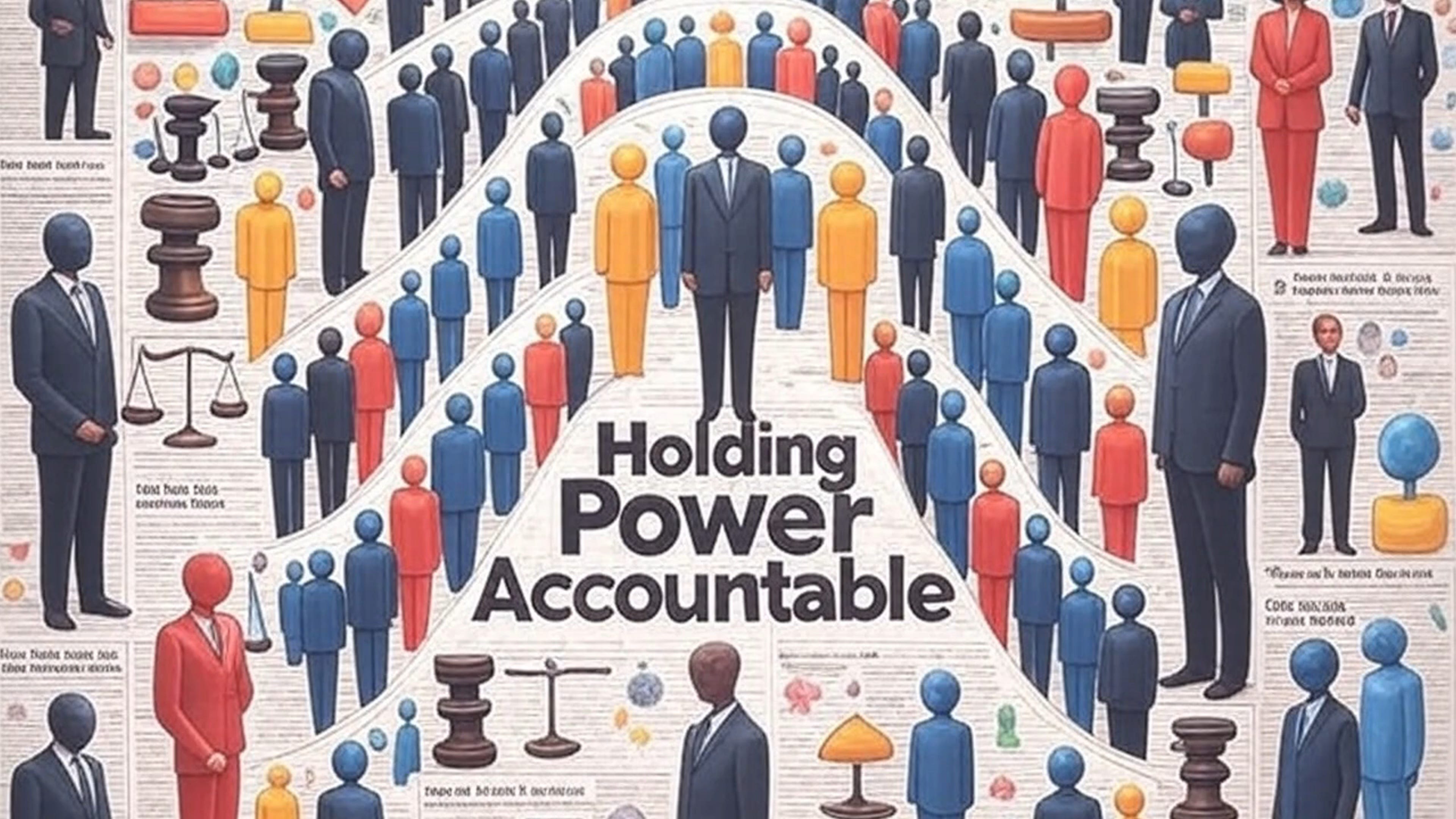
In societies where power structures enable abuse, the disparity between those who enforce laws and those who endure them creates a profound injustice. Legislators craft regulations, police officers wield authority, and judges adjudicate, yet these figures often evade the scrutiny and consequences they impose on the public. This exemption fosters a culture of impunity, where harassment, financial exploitation, and life-altering abuses flourish unchecked. The central pursuit here is twofold: to subject these officials—legislators, law enforcement, and judicial actors—to the full weight of the laws they oversee, ensuring equal accountability, and to exact retribution for their transgressions. Such a system promises not only to deter abuse by instilling fear of repercussions but also to restore balance, compelling those in power to reconsider the laws they enact and enforce. The mechanisms to achieve this range from grassroots organizing to leveraging higher governmental authority, each aimed at dismantling the protective shields of office and delivering justice.
The impetus for this approach stems from the recognition that power abuses persist because they go unpunished. Police officers issue tickets for profit, legislators pass exploitative laws without consequence, and judges rule with impunity, often ruining lives while shielded by their roles. Retribution emerges as a natural response—a demand to see these individuals suffer the same penalties they’ve inflicted, reflecting both a human impulse and a moral imperative. This essay outlines strategies to enforce accountability, drawing on historical precedents and practical steps to ensure that those who govern and enforce are not above the law.
The narrative unfolds through a systematic examination of methods to invert this dynamic, from immediate local action to long-term systemic overhaul. By exploring these pathways, the essay articulates a vision where fear of legal consequences curbs abuse, lawmakers draft with caution, and the public gains relief from arbitrary power. The ultimate aim is a society where no one is exempt, and revenge serves as both a corrective and a catharsis for years of unchecked domination.
Part I: The Problem of Impunity and the Case for Accountability
Power abuses thrive in environments where accountability is absent. Police officers, emboldened by unions and discretionary authority, harass citizens through tickets and arrests, often for financial gain or personal gratification. Legislators, including city council members, enact laws that burden the public—fines for minor infractions or policies favoring cronies—while evading the same rules through exemptions or influence. Judges, cloaked in judicial immunity, rule over cases with actions that would constitute crimes if committed by civilians, such as coercion or verbal abuse, yet face no recourse. This disparity creates a system where the enforcers operate without fear, knowing their positions shield them from the consequences they impose.
The lack of scrutiny fuels a cycle of exploitation. Historical examples, such as the ticket rackets in Ferguson, Missouri, during the 2010s, illustrate how police and municipal officials profit from oppressive enforcement, targeting vulnerable populations without accountability. Similarly, city council members in Bell, California, in 2010 exploited their authority for exorbitant salaries, uncovered only after public outrage forced an audit. These cases underscore a truth: impunity enables abuse. When those in power face no risk, they act with impunity, ruining lives through incarceration, financial ruin, or intimidation, secure in the belief that successors will perpetuate the system.
Subjecting these officials to their own laws offers a remedy. If police faced jail for excessive force, legislators fines for their own infractions, and judges penalties for abuses, the fear of punishment would deter misconduct. This equal application aligns with justice—ensuring that no one is above the law—and serves as a practical check on power. The pursuit of retribution, rooted in the harm inflicted, amplifies this goal, promising not just reform but a reckoning for past wrongs.
Part II: Strategies for Local Action and Retribution
Local action provides a direct avenue to hold officials accountable, leveraging community strength to invert power dynamics. One strategy involves forming quiet alliances among those harassed—shopkeepers fined unjustly, families targeted by police, or residents burdened by council policies. These coalitions, built discreetly across neighborhoods, amass evidence—body camera footage, ticket records, meeting minutes—over years. The aim is to secure political power, such as electing a mayor or sheriff, under a benign platform like “community safety,” then unleash a wave of arrests and audits once in office. This approach minimizes immediate retaliation, as overt threats are avoided until power is secured.
Historical precedents validate this method. In Chicago during the 1980s, Harold Washington’s coalition of Black, Latino, and reform-minded voters quietly organized to elect him mayor in 1983, subsequently targeting corrupt officials with investigations. Similarly, in Hazard, Kentucky, in the same decade, miners and families allied to elect a reformer, ousting a corrupt sheriff through sustained, low-profile efforts. These victories, achieved in five to ten years, demonstrate that stealth political organizing can dismantle entrenched power, delivering retribution through legal channels—arrests for every documented abuse, from petty harassment to felony corruption.
The process requires patience—three to ten years to unite, win elections, and strike—but offers a high reward with reduced risk. Once in power, a loyal police chief or sheriff’s deputies can arrest bad cops for past assaults, council members for fraud, and judges for off-duty crimes, subjecting them to the same jails and fines they’ve imposed. This not only curbs abuse by instilling fear but fulfills the revenge imperative, ensuring that those who wielded power unjustly face the consequences they evaded, stripped of their former protections.
Part III: Post-Service Audits and Long-Term Accountability
Post-service audits offer a strategic alternative, targeting officials and cops after they leave office or retire, when their influence wanes. This method involves waiting out their tenure—typically two to four years for elected officials, up to twenty for cops—then launching investigations into their actions. Evidence gathered during their time—videos of police brutality, financial trails of council corruption, or court records of judicial overreach—becomes the basis for charges. Prosecutors, under new leadership or state oversight, pursue arrests for every law broken, from minor infractions to serious crimes, ensuring equal punishment.
Examples abound of this approach’s success. In Detroit, former Mayor Kwame Kilpatrick left office in 2008, only to face conviction in 2013 for corruption uncovered by post-tenure audits, earning a 28-year sentence. In Los Angeles, the Rampart scandal of the 2000s saw retired cops prosecuted years later for drug-related crimes, exposed by persistent evidence collection. These cases, taking five to fifteen years from start to finish, illustrate that audits can deliver justice when direct confrontation risks retaliation, hitting officials when they’re vulnerable and satisfying the call for retribution.
This strategy reduces immediate danger—officials can’t strike back as easily once out of power—and aligns with the goal of equal accountability. Legislators face scrutiny for laws they’ve passed, cops for enforcement abuses, and judges for rulings that crossed lines, all under the same legal standards applied to the public. The fear of future audits could deter abuse during service, while the promise of revenge—seeing them jailed for their own laws—offers closure to those they’ve wronged.
Part IV: Leveraging Higher Authority and Systemic Change
When local systems are too entrenched, higher authority—state or federal—provides a broader hammer to enforce accountability. State intervention, such as a governor deploying the attorney general or state police, can investigate and arrest corrupt officials and cops, bypassing local protections. Federal action, through the FBI or Department of Justice, targets systemic abuses like civil rights violations or organized ticket rackets under laws like RICO, leading to arrests and federal imprisonment. These approaches require tipping off external bodies with evidence, often gathered by local alliances, and can unfold in three to seven years.
Historical instances highlight their efficacy. The DOJ’s probe into Ferguson, Missouri, in the 2010s exposed a ticket-for-profit scheme, forcing reforms and accountability after local evidence reached federal hands. In New York City, the 1970s Knapp Commission, spurred by whistleblowers, led to arrests of cops post-retirement for corruption, shifting police behavior through fear of exposure. These interventions not only punish but deter, as officials and enforcers realize no level of local power shields them from higher scrutiny.
This method ensures lawmakers and enforcers face their own laws—state or federal statutes they’ve endorsed or enforced—while delivering revenge on a grand scale. It’s less personal than local action but more decisive, dismantling entire corrupt networks. The threat of such oversight could make legislators cautious about oppressive laws, cops wary of abuse, and judges mindful of overreach, fostering a society where equal standards prevail and the public’s fear of power diminishes.
Conclusion
The pursuit of accountability for legislators, cops, and judicial figures under the laws they oversee offers a dual promise: curbing power abuse and delivering retribution for past wrongs. By subjecting these officials to equal scrutiny—through local alliances, post-service audits, or higher authority—the mechanisms exist to instill fear, deter misconduct, and ensure that no one remains above the law. Historical successes, from Chicago’s quiet coalitions to Ferguson’s federal reckoning, demonstrate that these strategies can succeed, taking five to fifteen years to dismantle impunity and exact justice. The result is a society where lawmakers hesitate before burdening the public, enforcers pause before harassing, and judges rule with restraint, all under the same legal weight they’ve imposed.
Retribution serves as both a practical and moral cornerstone. These officials—often in power for ulterior motives—have exploited their roles, issuing tickets for profit, incarcerating for control, and ruining lives without consequence. Seeing them face jail for assaults, fines for fraud, or exposure for corruption balances the scales, fulfilling a human need for justice against those who’ve wielded power unjustly. This approach not only protects the public from future abuse but restores agency, replacing fear with fairness.
The path forward demands patience and strategy—building evidence, uniting the oppressed, and striking when the moment aligns. Whether through a mayor’s gavel, a sheriff’s badge, or a federal warrant, the endgame remains: a system where power is checked, laws apply universally, and revenge lands as a rightful echo of the suffering inflicted. This is not privilege for the few but justice for all.
Addendum: Practical Implications and Future Considerations
Implementing accountability across all levels of power—legislators, police, and judges—carries significant practical implications. First, it requires a cultural shift: dismantling the perception that these roles confer immunity. This begins with public pressure—alliances exposing abuses via evidence like body cam footage or financial records—pushing for legal changes, such as ending qualified immunity for police or tightening oversight on council spending. Enforcement hinges on robust systems: independent review boards, state-led audits, or federal investigations, ensuring no crime slips through. The timeline—five to fifteen years—reflects the need for sustained effort, but the payoff is a society where power fears its own laws, reducing abuse and restoring public trust.
Future considerations include scalability and resistance. Small towns may yield faster—local elections or audits can topple corrupt regimes in under a decade—but larger systems (state legislatures, metropolitan police) demand broader coalitions and external leverage, potentially stretching timelines. Pushback is inevitable—unions, political machines, and judicial lobbies will fight to preserve their shields, necessitating legal battles or public campaigns to counter them. Technological advances, like ubiquitous recording devices or blockchain for transparent records, could accelerate evidence-gathering, tightening the net around offenders.
Ultimately, this framework’s success rests on persistence and adaptability. It weeds out bad actors—cops rethink brutality, lawmakers avoid exploitative statutes—by making consequences real. Revenge, while visceral, doubles as deterrence: a corrupt official jailed post-term or a retired cop facing his own tactics shifts the power dynamic. The vision is pragmatic yet transformative—a future where laws bind all equally, and the public no longer lives under the shadow of unchecked authority.
Watch video on X, Rumble, Odysee, BitChute, Brighteon, Facebook, Gab, Gettr, Minds, or realfreenews.com